
Search Results for: swiss cheese
A European Celebration: Cheeses From Across Europe
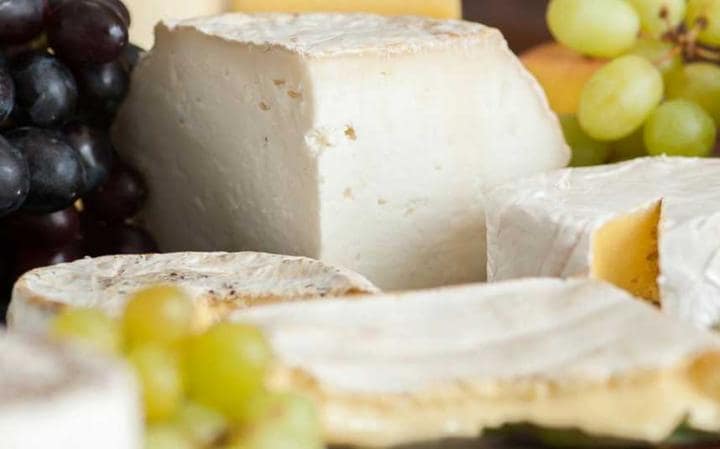
The science, in truth, is fairly simple. Take some milk – a cow, sheep or goat will provide just fine. Add a starter enzyme and then some rennet to separate the curds (solids) from the whey (liquid). Congratulations: you have just made cheese. Almost every one begins its life-like this. “Pretty much everything after that point is a tweak,” explains cheesemonger Ned Palmer.
So, why is there such variety in cheese’s taste and textures? “One word tells you: terroir. It all starts with the land,” says Patricia Michelson of La Fromagerie, London’s best place to try and buy artisan cheeses from all over Europe. “The climate and the soil affects the animals, the food they eat – whether that is cows grazing pasture or goats foraging. Everything affects the taste of the milk, and therefore the cheese.”
Another thing all great cheeses share is the attention of a genuine artisan cheese maker. “Everyone uses the word ‘artisan’ to mean anything now,” adds Michelson. “When it comes to cheese, I mean a small dairy, using raw, unpasteurized milk from a single herd. An artisan follows the process from pasture to table, making everything by hand. Even the starter used to begin the curdling process can be made from the previous day’s milk.” The result is almost endless variety, between countries and regions, styles, even neighbouring villages.
Now, let’s take a tour of the fascinating and intriguing world of European cheese.
Austria: Alp-Bergkäse
The family of Bergkäse, or “mountain cheeses”, enjoy one crucial benefit: cows that spend their summers on Europe’s alpine pastures. “In Austria’s Bregenzer Wald region, these cheeses are made in summer only, in little chalets, not dairies,” explains Patricia Michelson, who also wrote the cheese lover’s bible, Cheese: The World’s Best Artisan Cheeses (Jacqui Small, £30). “The milk is heated in a cooper vat with wood burning beneath. Sparks fly and cinders drop into the vat – the flavour of the resulting cheese is richly wood scented,” adds Michelson.
Buyers for Michelson’s cheese business don hiking boots to source the best cheeses from the Alp Loch. Travellers can also visit cheese makers, alpine markets and specialist vendors as part of the Bregenzerwald Käsestrasse trail.
Belgium: Fromage de Herve
Belgium’s only Protected Destination of Origin (PDO) cheese is a cow’s milk cheese, made east of Liège since the 13th century. Like many made close to Europe’s west-facing coasts, the cheese is encased in an edible washed rind.
“Over-saline climates can ruin hard cheeses like cheddar. Rind washing began as a precaution against that,” explains Jon Thrupp of Franco-British cheesemonger Mons. “It takes maturation to the next level. Washing the cheese in brine kills moulds and creates an environment to promote a bacteria, B. linens, with more visceral, grassy flavours.”
Away from the coasts, monastic cheese makers often wash cheese rinds with distillates or even beer, another Belgian specialty that makes the perfect partner for creamy, yellow-hued Fromage de Herve.
Bulgaria: Tcherni Vit “Green Cheese”
The sheep’s milk cheese made in the Balkan village of Tcherni Vit gets its nickname from a mould. After shaping, salting and stacking in barrels made from lime wood, the brine-soaked cheeses are exposed to the air in a moist cellar.
That’s when the magic starts to happen. A green mould forms quickly on the cheese’s surface, and often also penetrates veins that form naturally during maturation.
Croatia: Paški Sir (Pag Cheese)
Croatia’s Dalmatian coast is the country’s holiday hotspot. Yet one of southeastern Europe’s most prized cheeses is also made here, on just one island: Pag.
A salty, dry winter wind, the Bura, lends the hard cheese a sharp saline bite, as well as its distinctive flavour. “This wind brings sea salts to the pastures from the Adriatic Sea, which covers the unique wild herbs that our indigenous breed of sheep eat. The result is a very high fat milk from which Paški sir gets its distinctive taste,” explains Simon Kerr of Sirana Gligora, a Pag Cheese producer.
“Aged Paški sir, or stari Paški sir, is a minimum of 12 months old and generally has a deep brown rind and crumbly texture. The taste is fuller with a strong, long finish.”
England: Blue Vinny
England’s rural southwest is home to many fine cheeses. Crumbly, blue-veined Blue Vinny has even inspired poetry in its home county, Dorset. “The recipe lay dormant for many years until Mike Davies resurrected it at Woodbridge Farm and started producing this unique blue cheese again,” says Steve Titman, executive chef at Summer Lodge, a Dorset country house hotel known for its 27-variety cheeseboard.
Compared to more famous English blue cheeses like Stilton, Dorset Blue Vinny is lighter and milder, usually with a lower fat content. “Even when very blue the flavour is not overpowering — a tingle rather than a tang,” adds Titman.
France: Valençay
How do you select just one variety from Europe’s most famous cheese-producing country? “The French are unmatchable when it comes to soft goat’s milk cheeses,” says Jon Thrupp. France’s goat cheese heartland is the Loire Valley, an easy drive southwest of Paris. “Lactic cheese making is probably the oldest style in Europe,” says Thrupp. “It is close to what happens naturally when you strain yogurt: lactic acids slowly cause the curds to set, in a process taking around 24 hours.” Hard cheeses like Comté, in contrast, are set with rennet in around 2 hours.
Valençay owes its unusual “decapitated pyramid” shape to its setting mould – the optimum dimensions for draining – not because of an apocryphal, yet often repeated, tale about Napoleon, according to Thrupp. Its taste, “velvety, rather than fluffy or brittle, with light, citrus acidity,” is enhanced slightly by rolling the young cheese in ash. The ash lends it a “slightly pointed, white pepper flavour,” says Thrupp.

Germany: Bavarian Blue
Bavarian Blue is sometimes nicknamed “mountain Roquefort”, due to a similarity with France’s famous blue. The style was invented in 1902 by Basil Weixler, who loved Roquefort. Its production involves mixing the same moulds (roqueforti) with the curd.
But Bavarian Blue is made from cow’s milk, rather than Roquefort’s sheep. The best Bavarian Blue is smoother and creamier than its French cousin, and mild enough to eat at breakfast. Michelson recommends Bavarian Blue made by Arturo Chiriboga at the Obere-Muehle Co-op, where they is also operate a hotel and guesthouse.
Greece: Feta
Grainy and crumbly, feta cheese is made from either sheep or goat milk, and aged for 2 months or more before sale. Travellers know it as a key ingredient in Greece’s best-known dishes, among them Greek salad (leaves with tomatoes, olives and feta) and spanakopita (cheese and spinach filo pastry pie). The cheese has a unique place in Greek culinary and cultural history. “It dates back to Homer’s day,” explains Manos Kasalias from the Association of Agricultural Cooperatives of Kalavryta.
Feta is produced in several regions of Greece, including Macedonia, Thrace, Thessaly and the Peloponnese. “The best feta carries with it the aromas of the Greek mountains that the sheep and goats graze,” says Kasalias. “The curd isn’t boiled or baked at high temperatures and, both during the production process and afterwards, the cheese is protected by a light brine, locking in all those flavors.
“The best feta is produced from late April to mid-June when the flora on which the flocks graze is richest.”
Ireland: Milleens
Washed-rind cheeses are a staple of the cheese making landscape in County Cork. Alongside Milleens – which blazed a trail for Irish artisan cheese in the 1970s – are names such as Ardrahan and Gubbeen. “The wet, salty climate lends itself to this style,” says Ned Palmer, a freelance cheesemonger and expert in the cheeses of the British Isles. “In fact, it’s hard to make any other style there.”
Before maturation, the cheeses are washed in brine, which encourages the formation of a sticky, bacteria-friendly rind and a distinctive smell. “Milleens tends towards the heftier end of the taste spectrum,” says Palmer. “It is meaty and pungent, with an unctuous, creamy texture. For me, it is one of the few cheeses that works with a big red wine.”
Italy: Parmigiano Reggiano
The iconic cheese of Italy’s Emilia-Romagna region is more than just an accompaniment to a bowl of pasta. “It might seems like a trivial, obvious choice,” says Piero Sardo, President of the Slow Food Foundation for Biodiversity. “Yet only if you don’t know that this large production, of around 3 million cheeses, hails from over 500 small artisan dairies that must meet a very strict regulatory regime.” Parimgiano Reggiano rules stipulate a minimum of 12 months’ aging, but the cheese can improve for up to 3 years, according to Sardo. The consortium that governs cheese production here also operates guided tours of dairies across Emilia-Romagna.
Netherlands: Beemster
Beemster polder in North Holland was drained by dyke and windmill in the early 1600s, one of the first reclamation projects of its kind in the Netherlands. It’s now a UNESCO World Heritage Site, and signs of humans shaping this unique landscape 20 feet below sea level are preserved everywhere.
It is also mineral-rich farmland, and only cow’s milk from Beemster herds goes into its famous cheese, which has been made here since 1901. “Beemster X-O is our most mature cheese in the line and aged a minimum of 26 months,” explains Kies Paradies at Beemster. “Over time, Beemster X-O develops aromas of butterscotch, caramel and whiskey.”
Norway: Geitost
Geitost (pronounced “yay-tost”) is made by an unusual process. After removing the curds, the cheese maker boils down the whey with a little added goat and cow’s milk cream. A Maillard reaction turns the mixture brown, imparting a sweet, caramel-like flavor to the cooled cheese. When sliced open, it looks like a bar of chocolate. “It is popular with kids in Norway,” explains Michelson. “Sliced very thin, more like a shaving, and spread on some rye toast.”
Geitost has been made in the traditional way for hundreds of years alongside Norway’s largest fjord, the Sognefjord. Six cheesemakers are now recognized by Slow Food for the production of genuine artisan Sognefjord Geitost. These days, the area is one of Norway’s most scenic fjord cruising spots.
Portugal: São Jorge
It is unusual to find a Portuguese cow’s milk cheese. Yet the milk isn’t the most striking thing about São Jorge. This waxy, tangy, cheddar-like cheese is made well beyond mainland Europe. It comes from the mid-Atlantic, in the Azores archipelago, 900 miles off the coast of Portugal.
Flemish colonizers brought cheese making skills to the Azores in the 17th century. The island’s high humidity, volcanic soils and year-round warm – but not excessively hot – temperatures are ideal for milk-producing herds. The cheese, however, is made only in summer.
Scotland: Isle of Mull
Scotland is not the home of cheddar cheese. But an island off Scotland’s wild west coast is where you will find one of the cheddar style’s most distinctive expressions.
“A cooler, wetter climate produces higher moisture cheese than down in England,” explains Ned Palmer. “The cheese has very distinctive flavor notes that come from a specific cattle feed: draff, the barley mash that remains from whiskey making. You can taste the peat, malt and iodine notes that you expect in a single malt whisky.” This makes the cheese an ideal partner for another Mull artisan product, Scotch from the distillery at Tobermory.
Spain: Queso de la Serena
Spain’s central and northern regions are the country’s cheese-making heartland. Queso de la Serena, on the other hand, is made in small quantities in just one county of Extremadura, in the far southwest. It is made only with the unpasteurized milk of Merino sheep that graze the pastures of La Serena.
“Its quality that comes from the area’s pasture, which is full of herbs,” says Piero Sardo. “With aging, the cheese tends to become creamy and smooth, and often is called ‘cake’. It gives off scents of green grass and caramel, hints of chestnut and hazelnut, and has a slightly bitter finish.”
Sweden: Almnäs Tegel
Scandinavia las a long tradition of cheese making – long winters meant a traditional need to preserve the summer bounty. The quality of the region’s artisan cheese is high, and growing. So, why do Scandinavian cheeses often lack a high-profile outside the region? “Because of where they are made, the location. Their cheeses are difficult to get hold of,” explains Michelson. “But this is getting better, thanks to the huge interest in everything Scandinavian when it comes to food.”
Almnäs Tegel is an unpasteurized cow’s milk cheese similar in style to Gruyere and Parmigiano, aged for between a year and 24 months. The distinctive shape of a whole cheese is an homage to the bricks used to build the farm’s original manor house, in 1750. Throughout the ripening process, the 55-pound cheeses are brushed with brine. The result is a strong, hard cheese.
Switzerland: Emmentaler
“Say ‘Swiss cheese’ and most people will think of the one with holes,” says Diccon Bewes, author of Swiss Watching. Often known (incorrectly) as “Emmental” outside Switzerland, Emmentaler is made from Alpine cow’s milk in giant rounds weighing in at 265 pounds each. “Emmentaler was the first Swiss cheese to be made down in the valleys all year round in a village Käserei, or cheese dairy. That gave farmers a permanent outlet for their milk and led to much bigger rounds of cheese, because they didn’t have to be carried down the mountain in autumn,” explains Bewes.
The texture is smooth, and the flavour nutty, especially in Emmentaler that is matured for a year or more. An Emmental cheese route, complete with iPhone and Android apps for guidance, helps hikers and bikers see the region’s cheese sights.
Wales: Caerphilly
This crumbly Welsh cow’s milk cheese is part of a family of cheeses unique to the British Isles, including English varieties Cheshire, Lancashire and Wensleydale. “Caerphilly stands out from these in that a traditional example will have a mould rind rather than a cloth rind. This contributes a deeper, earthy flavour to the cheese,” says Ned Palmer, who also hosts regular cheese tastings.
According to Palmer, best in class is Gorwydd Caerphilly made on a family farm in West Wales using unpasteurized milk and traditional methods like hand-stirring of the curds. Visitors to London’s Borough Market will usually find it on sale somewhere.
Raclette: The Perfect Melting Cheese

Raclette is very popular in Europe, especially in the Swiss Alps and other ski regions. And that’s where it’s said Raclette came from.
While Switzerland supplies 80% of Raclettes, French Raclettes are slightly softer with a smooth and creamy flavour. Raclette is also the name of a Swiss dish where the cheese is melted in front of a fire or a special machine and the melted parts are scraped onto diner’s plates. It is then served with small potatoes, gherkins, pickled onions and air-dried meat called Viande des Grisons. Raclette comes in round and square shapes and can be served with Vin de Savoie.
Today, few houses have an open fireplace, so to simulate the process we now have Raclette Melter that hold a block or half wheel of cheese under a heating element. Once melted, the cheese is being scraped off onto the prepared potatoes.
Another variety is a Raclette Grill, which allows melting individual portions of cheese and offers a grill top to serve grilled vegetables, meat, chicken, or fish with the cheese. Many of these models come with a reversible grill top that can be used to make crepes or pancakes. And yet another variety can be converted into a mini pizza oven.
A Traditional Raclette Recipe
This simple raclette recipe should be the first you try on your raclette grill or raclette melter. Serves 4
- 8 small/medium potatoes
- 1.5 lb. Raclette Cheese
- Buendnerfleisch (cut in paper-thin slices)
- 1 jar pickled gherkin cucumbers (cornichons)
- 1 jar pickled onions
- freshly ground pepper
- paprika
Wash potatoes and, with skins on, boil in a pot filled with salted water for about 20 min. Test with a knife if the potatoes are done. Keep warm until ready to use in an insulated potato basket. In the meantime remove the rind of the cheese and cut into 1/16″ thick slices using a adjustable wire slicer. Arrange gherkins, onions, and Buendnerfleisch on a platter and set aside until required. Turn raclette on to begin to heat up (allow for at least 5 minutes before using). For raclette grills: Each guest takes a slice of cheese, places it in their pan and slides it under the raclette grill to melt. It takes approximately 2 minutes to melt to a creamy consistency and 3 minutes for a more crispier top. In the meantime take a potato, place onto your plate and cut it into a few pieces, remove the pan from under the grill once it’s reached its preferred consistency and hold the pan onto its side to scrape the cheese out, using your wooden spatula. For raclette melter, each guest prepares potatoes and side dishes on their plates. When the cheese starts melting on the wheel, scrape the cheese onto the plate. Season to taste with freshly ground pepper and paprika. Pair Grand Cru Raclette with Pinot Grigio, Fendant, a Swiss white wine, or a light, fruity red wine, such as Beaujolais.
Let Shisler’s Cheese House help you make your next memorable melt experience with our supply of Raclette Cheese!
Jarlsberg: A Norwegian Experience And The Largest-Selling Imported Cheese In The US

Jarlsberg is often referred to as a type of Swiss or Baby Swiss cheese. It actually originated in Norway, but it’s a direct descendant of the great Swiss Emmentaler — the classic “Swiss” cheese with the large holes.
So, the story goes, Emmentaler cheese was introduced into Scandinavia around 1830, and within 20 years the Norwegians had adapted the recipe and were producing their own nutty, waxy, large-holed cheese in the county of Jarlsberg.
As the 20th century progressed, however, the holes started to disappear, even though the same manufacturing process was used. Food scientists finally figured out that the eyes and particular flavor of Emmental-style cheese were the result of a bacteria called propionibacterium, which was naturally present in the milk.
This particular bacteria eats away at lactic acid and produces carbon dioxide as the cheese ages, which forms the familiar air bubbles in the cheese. This would explain why neither Emmentaler nor Jarlsberg has a tangy taste.
As dairies began to be more concerned with sanitation and the milk began to undergo pasteurization, most of these bacteria were killed off, changing the nature of the cheese.
The modern version of Jarlsberg we find today was developed in the late 1950s at the Dairy Institute at the Agricultural University of Norway. This was a center of cheese research, and Jarlsberg was retooled to be a cross between Norwegian Gouda and Emmental, a smaller, softer, sweeter version of the Swiss mountain masterpiece.
The researchers began adding the propionibacterium back to the milk, selecting for a new strain that was compatible with the higher salt content of a Gouda.
Eventually they got it right, and Jarlsberg, by the pound, is the largest-selling imported cheese in the United States today. It is produced according to the very scientifically-controlled recipe in Norway, under license in Ohio (using the special bacterial culture shipped from Norway), and in Ireland by Diarygold.
Wheels of Jarlsberg cheeses are far smaller than Emmentaler, weighing about 22 pounds compared with Emmental’s 150-pound or larger wheels.
If you enjoy Jarlsberg, it is available online in light, 1-year aged, and smoked varieties.
Jarlsberg is available in most grocery cheese cases, is not terribly expensive, and is very suited to cooking. Anywhere you would use Swiss cheese, try Jarlsberg.
Jarlsberg-Potato Dippers
INGREDIENTS
1 Jarlsberg Lite cheese
1 cup instant potato flakes
½ teaspoon each black pepper and garlic powder
1 cup vegetable or chicken broth
DIRECTIONS
1) Preheat oven to 375°. Mix cheese with potato and seasonings; add broth and mix.
2) For lacy, crispy dippers, sprinkle mixture evenly on parchment-lined or (oil-sprayed) foil lining a 10×10-inch baking pan. Bake 25 minutes or until brown around the edges. Break into free-form pieces.
3) For a more solid, flexible dipper, spread mixture on parchment or foil, patting down for an even layer. Bake 35 minutes or until beginning to brown. Invert on wire rack, peel off parchment and return to pan to bake 10 minutes more. Cut into 2-inch squares. Serve with your favorite salsa. Makes 25 pieces.
Havarti: The Danish Cheese, not the Cheese Danish
When we think about Danish cheeses, we often think about Danish Blue, Esrom, Danbo… but, by far the most popular cheese that is exported from Denmark is Havarti.
Havarti is a semi-soft cheese, which has a creamy buttery flavor. It goes great on the cheese board with figs and sliced bread, or melted atop a sandwich. But, what else do we know about this cheese?
The Origins of Havarti
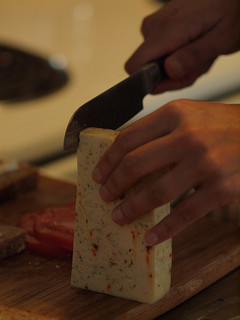
As noted above, Havarti is a Danish cheese; but the inspiration of this delicious treat comes from one woman’s travels around Europe during the mid 1800s. The commonly accepted story is that Hanne Nielsen was the wife of a New Zealand farmer that was extremely interested in learning about cheesemaking; and, in addition to traveling around Europe, learning different techniques, she set up a farm where she perfected her craft. The town where she set up her experimental farm, called Havarthigaard, is located north of Copenhagen; and, during the mid 1900s, became the source of Havarti’s name. (Source: Havarti Cheese Production and Uses)
What is Creamy Havarti?
Creamy Havarti (flødehavarti) is different from what would be considered the “original” Havarti, in that it is made with highly pasteurized milk, such that the whey proteins are not separated from the cheese curds; so, the end product is a lot richer and creamier.
The “original” Havarti is very similar to Swiss cheese in flavor and texture–but also, in that it is typically aged around 3 months. Creamy Havarti cannot be ripened for very long because the whey protein doesn’t age very well.
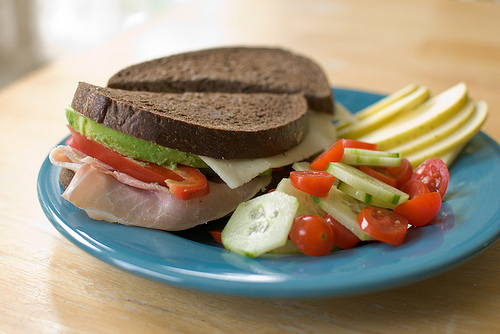
The Havarti Experience
If you go to the supermarket, you will often find that there are many different kinds of Havarti. Much like chevre, this cheese is sold in varieties with fruits and/or herbs and spices, as well as original flavor. Some of the varieties you may find include cranberry, garlic, caraway, basil, coconut, and sour cream & chives; but, by far the most popular ones are dill, red pepper, and jalapeño.
Havarti is truly versatile. It is an excellent table cheese and is great on sandwiches and salads. It is a great melting cheese so, fondue and paninis should not be overlooked.
Looking for a great wine to pair with Havarti? It goes really well with just about any wine, but goes particularly well with sweet wines like Beaujolais and Riesling. If you’re going pick a red wine, try to keep with lighter-bodied wines.
Wrapping up
Havarti is certainly one of my favorite cheeses–and, I think it was one of the very first cheeses I tried when I started John Eats Cheese. If you’re looking to learn more about cheese or are looking for unintimidating cheese to start with on your journey of fromage exploration pick up some crackers and Creamy Havarti, and go to town.
Let us at Shisler’s Cheese House help you get your taste on with our supply of Havarti!
The Limburger Legacy: A Cheese That Has No Equal
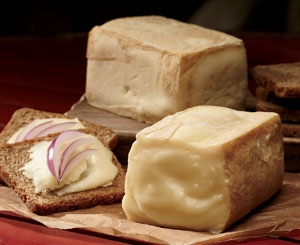
“Limburger—Don’t Eat It with Your Nose.” So reads the sign above the bar at Baumgartner’s Cheese Store and Tavern in Monroe, Wisconsin: the only city in America where Limburger cheese is still made.
Limburger has been the butt of jokes for nearly a century, though to be honest, it smells more like feet. Past celebrities from Mark Twain to Charlie Chaplin have used it as comedic fodder, and on a visit to Baumgartner’s, comedian Larry the Cable Guy spat out his sample, declaring that it tasted like a dead possum. But Andrew Zimmern, host of Travel Channel’s “Bizarre Foods,” loves the stuff.
Truth be told, there are far more challenging food products on the planet…like Iceland’s hákarl or China’s “century egg.” Even in the cheese world, Limburger pales in comparison to pillars of pungency like Époisses or Stinking Bishop…but the more famous Limburger’s reputation lives on.
History of Limburger: Who Came Up With This Stuff?
As European food products go, Limburger hasn’t been around all that long. It was first made in the 19th century by Trappist monks near Liège in the Duchy of Limburg (a territory now divided between Belgium, the Netherlands and Germany). Before you joke about the stinky cheese helping the monks maintain their cloistered lifestyle, bear in mind that the Trappists are also known for making some of the very finest beers in the world. Today, most of the Limburger in Europe is made in Germany.
Limburger was first made in the U.S. in 1867 by Swiss immigrants in Green County, Wisconsin. In this epicenter of Swiss cheesemaking, Limburger even outpaced Swiss in annual production by the 1920s in order to supply the German-speaking populations of places like New York and Cincinnati, where a Limburger sandwich was a favorite workingman’s lunch: cheap and typically washed down with a glass of beer. Apparently it was nearly unthinkable to eat Limburger without the accompanying brew, because Prohibition so hurt American sales of Limburger that production either ceased or sharply curtailed in most American cheese factories.

Farm to Table in Monroe
Today the only American producer of Limburger is Chalet Cheese Cooperative of Monroe, Wisconsin: the seat of Green County. Of the 56 Master Cheesemakers in Wisconsin, only Chalet’s Myron Olson is certified to make Limburger.
Founded in 1885 by five dairy farmers, Chalet Cheese Cooperative today is owned and operated by 21 member farms. Olson, who started working there at age 17, has managed the plant for more than 20 years. Because he uses only milk from the Cooperative’s member farms (comprising 70% Holstein and 30% Brown Swiss cows), he knows exactly where the milk is coming from and the qualities it will contribute to the final product. He also believes the limestone-filtered water of south-central Wisconsin helps make the best-quality cheese to be found anywhere in the world.
Olson doesn’t just make Limburger, either; certified in other styles, he has won numerous state and national awards for Swiss, Baby Swiss and smoked versions of both. He also makes the very mellow Brick cheese as well as an award-winning German-Style Brick: a close cousin to Limburger, with the same bacterial smear used for ripening it.
Wait…did you say bacteria?
A Smeared Reputation
Limburger is one of a number of smear-ripened, washed-rind cheeses. Washed-rind cheeses are cured in a saltwater brine which may or may not include things like beer, wine, and spirits. Periodically washing the cheese with this solution keeps the surface moist and hospitable to bacteria like Brevibacterium linens, which happens to be the very same bacterium responsible for human body odor—specifically foot odor. So if someone tells you Limburger smells like sweaty gym socks, they are technically correct.
Of course, the food world is full of examples of beneficial bacteria. Microorganisms like Lactobacillus bulgaricus and Streptococcus thermophilus give yogurt its distinctive tang and break down lactose to make it easier to digest. In the case of Limburger, a healthy smear of B. linens helps the maturing process and prevents the growth of undesirable molds. Other smear-ripened cheeses include the French Port Salut and Munster (not the mild, red-rind Muenster we’re familiar with, but a much funkier variety). The bacterial culture used at Chalet was first cultivated in 1911.
Limburger as we know it was nearly eradicated in the U.S., ironically by the company that built the Chalet plant and was founded by the man who “cleaned up” cheese in America.
J.L. Kraft invented processed cheese through a patented pasteurization process, which allowed his cheese to be shipped long distances. Kraft’s Mohawk Valley Limburger Spread was a nationwide hit, and in 1947 his company built what they considered the most cutting-edge Limburger plant in the world (which Chalet now uses). In the name of progress and sanitation the Kraft folks replaced the plant’s old pine curing boards with new ones. The cheese failed. Luckily, they had saved the old boards—which have been in use ever since—and the century-old colony of B. linens continues to work its bacterial magic.
The Three Stages of Limburger
“That old bac magic” takes awhile, and despite the overwhelming aroma encountered at Chalet during the cheesemaking process, fresh Limburger is not all that intimidating. In fact, it’s even downright mild in its infancy, and only develops its nasty temperament over time…with a little help from temperature. Limburger is dated to expire in six months; using the “Best if used by” date on the package as your guide, you can age your own Limburger in the fridge at home to suit your personal taste. We can break down the metamorphosis of Limburger into three stages:
Stage 1 (Beginner): If you like things on the mild side, eat it fresh out of the fridge, and as soon as possible after you buy it. When the cheese is only a few weeks old, it’s mild and crumbly—a bit like feta—with a bit of a yeasty smell. Like all washed-rind cheeses, Limburger ripens from the outside in…and since the rind contains most of the funk, cut it off before serving.
Stage 2 (Intermediate): Two to three months before expiration, Limburger is rich and creamy, and just starting to stink…like Brie with an attitude. Let it come to room temperature before serving for maximum flavor. The rind is edible, but does add strength. You can wash it and dry it if you wish to remove some of the odor.
Stage 3 (Hardcore): At four or more months, you’ve got weapons-grade Limburger—soft, almost runny, and in full-on sweaty sock mode. Remember that six-month expiration date? Diehards see that as a starting point, and even take it out of the fridge periodically to speed up the process. Just remember: it smells far worse than it tastes. Even at this stage, the flavor is not as sharp as aged Cheddar or as pungent as blue cheese. It’s very robust and rich. As they say at Baumgartner’s, “don’t eat it with your nose”; just pop it in your mouth and enjoy.
Limburger Recipes and Serving Tips
Because its unique aroma tends to overpower most foods, Limburger is not really considered a “recipe” cheese…although the Wisconsin Milk Marketing Board and a cult of fans will beg to differ.
The classic way to serve Limburger is on rye bread with sliced red onion and brown horseradish mustard or sweet-hot mustard. A lot of folks love it with strawberry jam, either as the sole condiment (especially at Stage 2) or in addition to mustard.
Baumgartner’s serves the full-strength Limburger on their famous sandwich (as above, no jam), or for true believers they’ll add a couple of thick slabs of locally made braunschweiger (liver sausage). And they always serve it with a breath mint, though that’s somewhat like the proverbial Band-Aid on a bullet wound.
Limburger Pairings
Unless you have pretty adventurous friends, you’re probably not serving Limburger at a wine tasting party. That doesn’t mean it can’t be done, but Limburger is a workingman’s cheese; it goes best with beer, preferably bock (a hearty, often dark, variety). At Baumgartner’s, locals get the full Monroe terroir by enjoying Limburger with Huber Bock from the Minhas Brewery right down the street. A porter or stout would certainly do the trick, too—think dark and flavorful.
The bottom line is: if you’re a real cheese lover or someone who craves a little adventure, you owe it to yourself to put Limburger on your food bucket list. Stop by Shisler’s Cheese House and make this bucket list item a reality and pick up your own share of Limburger Cheese!
Gruyere Cheese: A History As Rich and Fascinating As Its Flavor
HISTORY OF GRUYERE CHEESE

Gruyere cheese has a history as rich and nutty as its flavor. This is a cheese so good and so fascinating that countries went to war over it! Yes, you read that right… war.
Gruyere’s identity crisis
Is Gruyere a Swiss cheese? Is it French? Is it Austrian? It is hard to know. Medieval peasants developed this variety of cow’s milk cheese as a means of survival. It was developed in the mountainous town of Gruyeres, Switzerland (making it Swiss Cheese by its geographic origins). However, since the town is so close to the Franco-Swiss border, there are many similar varieties of cheese, including Comte and Beaufort, that are made in France that still fall under the umbrella term of Gruyere. To complicate matters even further, there is yet another variety of Gruyere cheese that originates on the Austrian side of the Alps. The Austrian variety is similar to the Swiss variety in taste, color, and texture. Regardless of the country of origin, there is no doubting that this creamy, sweet, and nutty cheese is nothing short of spectacularly delicious. Cheese this good is worthy of a distinction all its own; perhaps it is best to simply refer to Gruyere as an Alpine cheese.
The Gruyere War
Few things bring about international disharmony more than cheese. This was one time when the Swiss absolutely did not remain neutral. Cheese makers in France and Switzerland went to battle for three years over which country made the best Gruyere cheese. Both countries claimed to have exclusive rights to the “Controlled Designation of Origin” for Gruyere. Since both varieties of cheese have distinctly different taste and appearance, this caused a problem. The French believed they deserved the distinction since their cheese was more widely recognized. The Swiss argued that the cheese is named after a region on their side of the border, and they had been making the cheese longer. The debate was so heated the European Union (EU) had to step in to mediate. The EU decided in favor of the Swiss since the origination of the cheese came from Switzerland.
The Gruyere timeline
Gruyere cheese has a long and storied history dating back many centuries. Here are but a few of the highlights of this storied cheese.
The 12th Century
The region of Gruyere has been producing their namesake cheese since the early twelfth century. The inhabitants of the area during that time found a way to produce the cheese from the excess milk that was produced by their cows. They were eventually able to sell their cheese to people in France and Italy.
The 17th Century
The seventeenth century brought with it official recognition of the regional name of the cheese. It was around this time that the exportation of the cheese began to take off. Since its popularity was beginning to grow, the concern for the protection of its origin also began to take root. But, not until the 1762 was the word that specified its origin entered into the dictionary of the Académie Francaise.
The 18th and 19th Centuries
During the late eighteenth and early nineteenth centuries, many people from the town of Fribourg, Switzerland immigrated to the Gruyere region. This movement extended the geographic production zone of Gruyere cheese to the neighboring villages of Vaud, Neuchatel, Jura, and some areas of France. However, there was no trade protection in place, and the cheese was often imitated. By the mid-nineteenth century, a campaign toward structuring trade and a fight for recognizing designation of origin was begun.
The 20th and 21st Centuries
Discussions regarding Gruyere cheese took place in Madrid in 1891, Paris in 1926, and Rome in 1930. The result of these meetings was an agreement to protect the denominations of goods and their origins. However, it was not until 2001 that Gruyere cheese was awarded “Controlled Designation of Origin” protection, which regulates the methods of locations of the production of the product in Switzerland. In 2011, it received the same designation for the entire continent of Europe.
Interesting miscellaneous facts about Gruyere cheese
A food with such a long and storied history must have some interesting facts about it, and Gruyere does not disappoint in that area. Here are a few interesting Gruyere tidbits to chew on:
The hole controversy
There is some international controversy regarding the presence of holes in Gruyere cheese. According to French agricultural law, French-style Gruyere cheese must have holes in it. However, in the Swiss varieties of Gruyere, no holes are present.
A cheesy faux pas
An old legend states that way back in AD 161 Emperor Antonin the Pious actually died of indigestion after eating too much Gruyere cheese. At least he went happy and satisfied!
Thankfully, today Gruyere does not carry with it so much controversy. All you have to do is enjoy it and Shisler’s Cheese House can bring the Gruyere experience to your taste buds with our own supply of the famed Gruyere Cheese. Stop in and pick some up today or order online here!
Grilled Cheese Paradise: 50 Varieties of Grilled Cheese That Will Blow Your Mind
How to make grilled cheese:
1. Heat 1 tablespoon salted butter in a cast-iron or nonstick skillet over medium-low heat.
2. Press the sandwich slightly and place it in the skillet. Cook until golden on the bottom, 3 to 5 minutes.
3. Flip, adding more butter to the pan if needed, and cook until the other side is golden and the cheese melts, 3 to 5 more minutes.

1. Classic Sandwich: 2 slices cheddar, Monterey Jack or Swiss cheese between 2 slices country white bread; cook, flipping once, until golden.
2. Bacon and Tomato: Make Classic Grilled Cheese (No. 1), adding 3 slices crisp bacon and 1 slice tomato between the cheese.
3. Triple Cheese: Make Classic Grilled Cheese (No. 1), using 1 slice each Cheddar, Muenster and Swiss cheese.
4. Spicy Nacho Sandwich: 2 slices white bread with 1 slice Monterey Jack or American cheese, some pickled jalapeno slices and 1 slice cheddar. Cook, flipping once, until golden.
5. Crunchy Nacho: Make Spicy Nacho Grilled Cheese (No. 4), adding 1 tablespoon crushed corn chips with the jalapenos.
6. Goat Cheese–Peppadew: Mix 1/2 cup cream cheese with 1/4 cup goat cheese and 8 chopped Peppadew peppers. Sandwich one-quarter of the mixture between 2 slices multigrain bread; cook, flipping once, until golden. (Use the remaining cheese mixture for more sandwiches.)
7. Grilled Cheese Fingers: Make Classic Grilled Cheese (No. 1). Cut off the crusts and cut the sandwich into strips.
8. Diner Sandwich: 2 slices American cheese between 2 slices white bread. Spread mayonnaise on the outside of the sandwich and cook, flipping once, until golden. Serve with ketchup.
9. Spicy Diner Mix: 1 tablespoon mayonnaise with 1/4 teaspoon Sriracha. Make Diner Grilled Cheese (No. 8), replacing the mayonnaise with the spicy mayonnaise mixture.
10. Cheddar and Pickles: Make Diner Grilled Cheese (No. 8), replacing the American cheese with aged white cheddar and adding sliced pickles between the cheese.

11. Havarti and Chicken Salad: Sandwich 2 slices potato bread with 1 slice Havarti, 2 to 3 tablespoons chicken salad and another slice of Havarti. Cook, flipping once, until golden.
12. Garlic Ham and Cheese: Prepare 2 thick slices frozen garlic bread as the label directs. Sandwich with 2 slices each Monterey Jack and ham. Cook, flipping once, until golden.
13. Pesto: Spread pesto on 1 slice white bread. Top with 1 slice each Provolone and Mozzarella. Top with another slice of bread and cook, flipping once, until golden.
14. Avocado: Toss 1/4 sliced avocado with lime juice and lime zest to taste. Sandwich 2 slices white bread with 2 slices pepper jack and the avocado. Cook, flipping once, until golden.
15. Potato Chip: Spread yellow mustard on 1 slice whole-wheat bread; top with 2 slices American cheese and 8 potato chips. Top with another slice of bread and cook, flipping once, until golden.
16. Swiss-Mushroom: Spread 2 slices rye bread with Thousand Island dressing. Sandwich with 1 slice Swiss cheese, some sautéed mushrooms and onions, and another slice of Swiss. Cook, flipping once, until golden.
17. Bagel Spread: a split bagel with mayonnaise and spicy mustard. Sandwich with 1 slice Muenster, 2 slices salami and another slice of muenster. Cook, flipping once, until golden, pressing to flatten.
18. Cajun Sandwich: 2 slices country white bread with 2 slices Provolone. Cook in butter with a pinch of Cajun seasoning.
19. Muffuletta: Make Cajun Grilled Cheese (No. 18), adding 1 tablespoon deli olive salad between the cheese.
20. Roasted Tomato: Toss 4 halved plum tomatoes with 1 tablespoon olive oil, and thyme, salt and pepper to taste. Roast at 350 degrees F, 1 hour; mash. Spread 2 slices sourdough bread with one-quarter of the tomato mixture and sandwich with 2 slices cheddar. Cook, flipping once, until golden. (Use the remaining tomato mixture for more sandwiches.)

21. Blue Cheese and Onion: Sandwich 2 slices marble rye bread with 1 slice each muenster and soft blue cheese, some caramelized onions and another slice of muenster. Cook, flipping once, until golden.
22. Italian: Sandwich 2 slices sourdough bread with 1 slice provolone, 1 slice mortadella, some chopped pickled vegetables and another slice of provolone. Cook, flipping once, until golden.
23. Fontina and Sage: Fry 4 sage leaves in a skillet in butter and olive oil until crisp. Sandwich 2 slices crusty bread with 2 slices fontina and the fried sage. Cook in the same skillet.
24. Mediterranean: Spread baba ghanoush on 2 slices whole-grain bread. Sandwich with 1 slice monterey jack, a few thin slices grilled zucchini, 2 tablespoons crumbled feta and another slice of monterey jack. Cook in olive oil.
25. Gruyere and Sauerkraut: Spread dijon mustard on 1 slice crusty bread. Top with 2 slices gruyere, 1 tablespoon sauerkraut and another slice of bread. Cook, flipping once, until golden.
26. Roast Beef and Brie: Spread 2 slices sourdough bread with dijon mustard and brie (remove the rind). Sandwich with some caramelized onions and 1 slice roast beef. Cook, flipping once, until golden.
27. Inside-Out Bun: Sandwich 1 slice each pepper jack and Swiss cheese on an inside-out seedless hamburger bun. Cook, flipping once, until golden.
28. Patty Melt: Cook a thin hamburger patty to medium doneness. Sandwich an inside-out seedless hamburger bun with 1 slice cheddar, the hamburger patty and 1 slice American cheese. Cook, flipping once, until golden.
29. Hot Dog: Halve a hot dog lengthwise; brown in a skillet. Spread a hot dog bun with ketchup and mustard, then sandwich with the hot dog and 1 slice American cheese. Cook, flipping once, until golden, pressing to flatten.
30. Meaty Macaroni: Spread 3 tablespoons warm macaroni and cheese on 2 slices potato bread. Drizzle with hot sauce and sandwich with ¼ cup warm pulled pork. Cook, flipping once, until golden.

31. Spanish Olive Sandwich: 1/4 cup grated manchego cheese and 1 tablespoon sliced green olives between 2 slices white bread. Cook, flipping once, until golden.
32. Fig and Olive: Make Spanish Olive Grilled Cheese (No. 31), spreading the bread with fig jam before building the sandwich.
33. Bacon-Waffle-Cheddar Sandwich: 2 thawed toaster waffles with 1 slice cheddar, 2 slices crisp bacon and another slice of cheddar. Cook, flipping once, until golden. Serve with maple syrup.
34. Egg in a Hole: Cut out a 2-inch round from the center of 1 slice country white bread; place the bread in a hot buttered skillet and crack an egg into the hole. Cook until the white sets, then flip and top with 1 slice cheddar. Meanwhile, add another slice of bread to the skillet and top with 1 slice cheddar and 3 slices crisp bacon. Sandwich the two halves and cook until golden.
35. Pear-Camembert: Spread 2 slices multigrain bread with camembert (remove the rind). Sandwich with thin pear slices. Cook, flipping once, until golden.
36. Ham–Apple Butter: Spread 1 slice country white bread with apple butter and another with dijon mustard. Sandwich with 1 slice Swiss cheese, 1 slice ham and another slice of Swiss. Cook, flipping once, until golden.
37. Hawaiian: Spread 2 slices Hawaiian sweet bread or challah bread with pineapple preserves. Sandwich with 2 slices each monterey jack and ham. Cook, flipping once, until golden.
38. Taleggio and Broccoli Rabe: Sandwich 2 slices crusty bread with 2 slices taleggio and some sautéed broccoli rabe. Cook in a mixture of butter and olive oil.
39. Ricotta-Garlic: Mix 1 cup shredded mozzarella, 1/2 cup ricotta, 1/3 cup grated parmesan, 1 small grated garlic clove, and salt to taste. Sandwich 2 slices sourdough bread with one-quarter of the ricotta mixture and cook, flipping once, until golden. (Use the remaining ricotta mixture for more sandwiches.)
40. Fried Mozzarella: Whisk 1 egg and 2 tablespoons milk in a shallow dish. Mix 1/4 cup flour and 2 tablespoons grated parmesan in another dish. Sandwich 2 slices white bread with 2 slices fresh mozzarella. Dredge in the flour mixture, then dip in the beaten egg. Cook, flipping once, until golden.

41. Open-Face Cutouts: Cut shapes out of sliced white bread using a cookie cutter. Cut matching shapes out of sliced cheddar. Broil the bread until lightly toasted, then flip, top each with a piece of cheese and broil until the cheese melts.
42. Open-Face Caprese: Broil a split ciabatta roll until lightly toasted. Drizzle with olive oil and top each half with 2 slices tomato and 2 slices fresh mozzarella. Broil until the cheese melts. Top with chopped basil.
43. Pizza Spread: 2 slices Italian bread with marinara sauce and sandwich with 1 slice provolone, 2 slices pepperoni and 1 slice mozzarella. Cook in a mixture of butter and olive oil.
44. Open-Face French Onion: Broil baguette slices until toasted. Top with caramelized onions and shredded gruyère; broil until the cheese melts. Top with chives.
45. Open-Face Pastrami: Spread Russian dressing on 1 slice pumpernickel bread. Top with a few slices pastrami and 1 slice Swiss cheese. Broil until the cheese melts.
46. BBQ Roast Beef: Spread 1 slice country white bread with 1 tablespoon barbecue sauce. Top with 2 slices each cheddar and roast beef, then top with another slice of bread. Brush melted butter on the outside of the sandwich and cook on a grill, turning, until golden.
47. Truly Grilled Cheese: Toss 1 thick slice haloumi cheese with olive oil and chopped oregano. Rub 1 thick slice crusty bread with garlic and brush with olive oil. Cook the cheese and bread separately on a grill, turning, until marked. Rub the bread with a halved tomato and top with the cheese; sprinkle with salt and lemon juice.
48. Brie and Marmalade: Spread 2 slices cinnamon-raisin bread with orange marmalade. Sandwich with 2 slices brie (remove the rind) and cook, flipping once, until golden.
49. Creamy Quince: Spread 2 slices brioche with quince preserves; sandwich with 2 slices triple-cream cheese, such as Saint André, or brie (remove the rind). Cook, flipping once, until golden.
50. Nutella and Banana: Spread 1 slice challah bread or brioche with ricotta; spread another with Nutella. Sandwich with sliced bananas and cook, flipping once, until golden.

Be sure to make a stop at Shisler’s Cheese House and let us help you make your next grilled cheese masterpiece with our wide selections of imported and domestic cheeses!
The Cheese Report Card: A Guide to the Best Cheeses
Though high in saturated fats, it provides many essential nutrients including protein, vitamin D and zinc as well as calcium.
Here’s a round-up of your favourite cheeses and how healthy they are. All figures are based on a healthy portion size of 30 grams (a matchbox-size chunk).
- Swiss
120 calories, 9 g fat, 290 mg calciumVery high protein, with a matching high-mineral content. A 30g portion of Emmenthal provides more than a third of the Recommended Daily Allowance (RDA) of calcium and nearly a tenth of the RDA for zinc – essential for healthy skin, reproductive health and the immune system.Health score: 8/10

Brie
96 calories, 8 g fat, 162 mg calciumMost people assume it is one of the fattiest cheeses, but it has lower levels than cheddar or stilton and a good quantity of calcium. It is also a reasonable source of zinc and the rind is rich in vitamin B1 – essential for cells to release energy.
Health score: 6/10
Camembert
89 calories, 7 g fat, 105 mg calcium
Camembert has a third less fat and a quarter fewer calories than hard cheeses. It is high in folic acid which the body needs to make red blood cells, though pregnant women (who need a higher intake of folic acid) should avoid Camembert.
Health score: 5/10
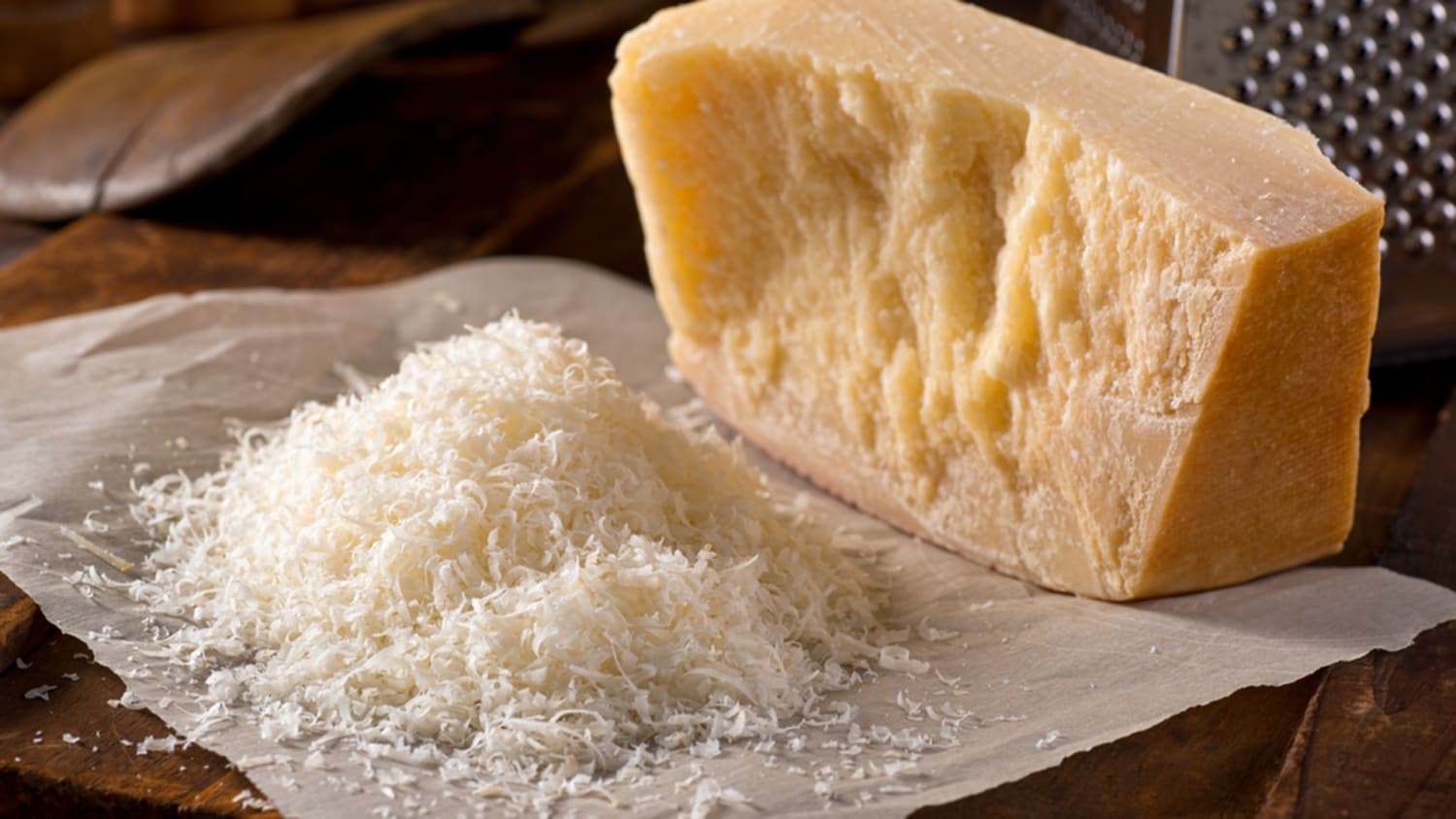
Parmesan
136 calories, 9.8 g fat, 360 mg calcium
Extremely high in calcium, just a tablespoon of Parmesan grated over pasta supplies 15 per cent of the RDA. It is also the best cheese for zinc, although it is high in salt.Health score: 9/10
Cottage Cheese
29 calories, 1.2 g fat, 22 mg calcium
This is the only truly low-fat cheese, making it ideal for slimmers. But the downside is a low calcium content, which reduces its nutritional rating compared with other cheeses.
Health score: 5/10
.jpg)
Cheddar
124 calories, 10.3 g fat, 216 mg calcium
One of the highest-fat cheeses, but it’s also a good source of calcium and zinc. A national favourite, nonetheless.Health score: 6/10
Half-fat cheddar
78 calories, 4.5 g fat, 252 mg calcium
Also higher in protein, calcium and zinc than normal cheddar. But on the downside, it’s a bit lower in vitamins A and D.Health score: 9/10
Cream cheese
132 calories, 14.2 g fat, 29 mg calcium
The unhealthiest cheese as it is close to 50 per cent pure fat and has only a fraction of the calcium content of many hard cheeses.
Health score: 2/10
Edam
100 calories, 7.6 g fat, 231 mg calcium
Contains a medium amount of fat, is rich in calcium, but high in salt so is not advisable for high blood pressure sufferers.
Health score: 8/10
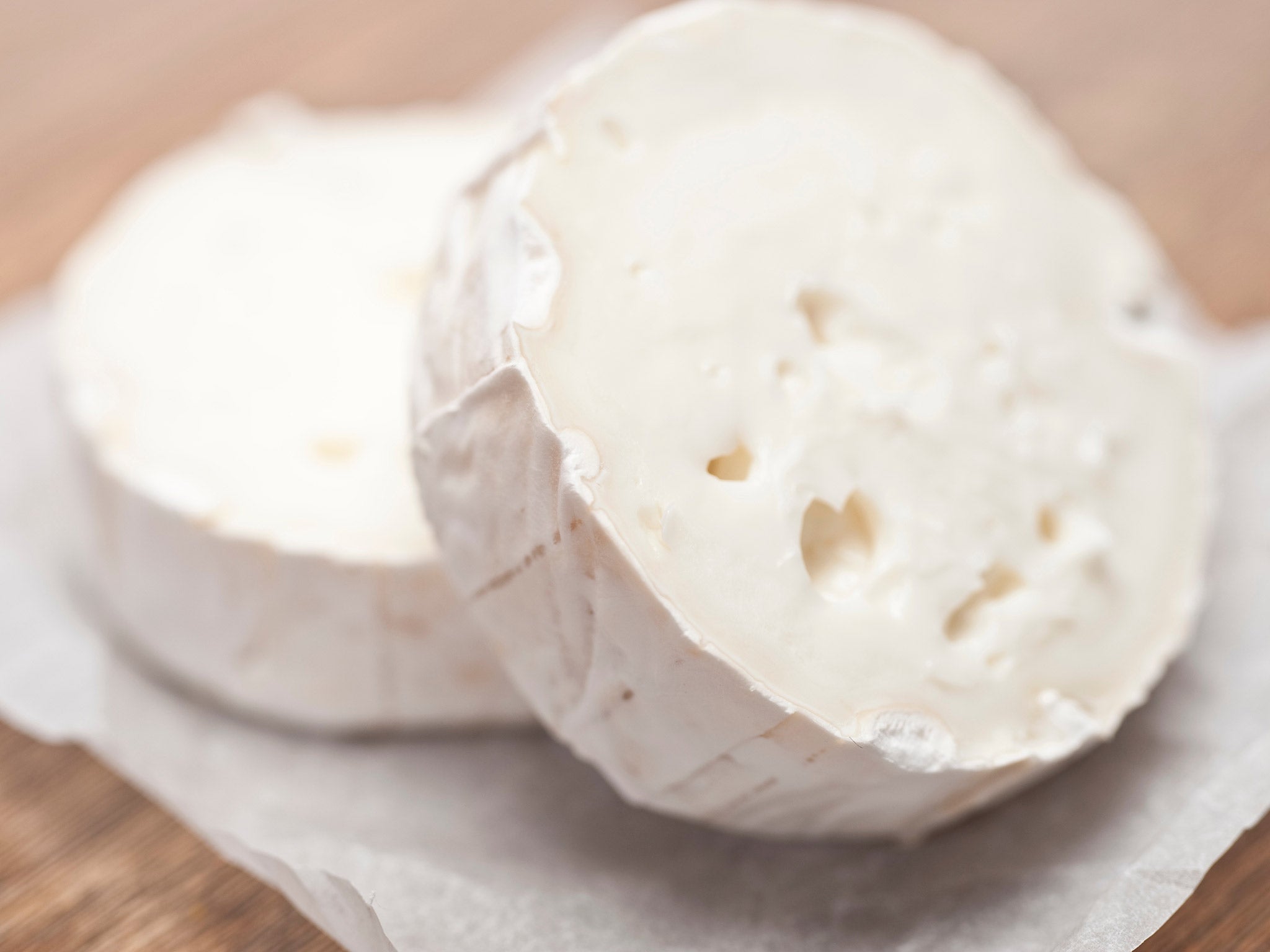
Goat’s cheese
59 calories, 4.7 g fat, 57 mg calcium
Low in calories and richer in vitamin D (an important bone-strengthener) compared with cow’s milk cheeses, although it is not a great source of calcium or zinc.
Health score: 6/10
Processed cheese slices
78 calories, 5.6 g fat, 213 mg calcium
Rich in calcium and lower in unhealthy saturated fats than unprocessed cheese. Gets its dubious ‘plastic appeal’ from added milk proteins, modified starch, preservatives and emulsifiers.
Health score: 6/10Feta
75 calories, 6 g fat, 108 mg calcium
Made with sheep’s milk, it has a moderate amount of calcium and fewer calories than half-fat cheddar. Feta is also a better source of vitamin D than cow’s milk cheese, but is also the saltiest variety – a 30g portion has a fifth of the daily guideline intake for women.
Health score: 7/10

Mozzarella
90 calories, 7.5 g fat, 155 mg calciumA medium-fat cheese which can be disproportionately high in unhealthy saturates. However, it has a good calcium content.
Health score: 7/10
Ricotta
56 calories, 4.4 g fat, 63 mg calcium
Fairly low in fat and salt, and contains low to medium amounts of calcium.Health score: 7/10
Stilton
123 calories, 10.7 g fat, 96 mg calcium
Similar to cheddar in fat and calories, but has a much lower calcium content. It is high in folic acid, though, like all blue-veined cheese, it is not suitable for pregnant women as it carries a listeria risk.
Health score: 4/10
Be sure to stop by Shisler’s Cheese House to pick up your supply of healthy cheeses or order online here!
Amazing Recipes To Satisfy Your Hunger For Cheese
Something warm for lunch: straight-from-the-oven ham and cheese turnovers.

INGREDIENTS
- 1 1-pound package refrigerated pizza dough
- 8 ounces deli ham, thinly sliced
- 4 ounces Swiss cheese, thinly sliced
- 1/2yellow onion, cut into thin rings
- 2 teaspoons whole-grain mustard
- 2 tablespoons extra-virgin olive oil
- 1 small head romaine, torn into pieces
- Heat oven to 400° F. Roll the pizza dough into a 14-inch circle and cut into 8 triangles.
- Stack a slice of ham and cheese and some onion on the bottom of each triangle and roll the dough up around the filling. (Some will stick out the ends.)
- Transfer the rolls to a parchment-lined baking sheet. Bake until golden and crisp, about 20 minutes.
- Combine the mustard and oil in a medium bowl and toss with the romaine. Serve with the turnovers.
Cheddar cheese and horseradish give an ordinary roast beef wrap some bite.

INGREDIENTS
- 4 ounces cream cheese, softened
- 2 tablespoons prepared horseradish
- 4 large flour tortillas
- 1 head romaine lettuce, tough ribs removed
- 8 ounces thinly sliced deli roast beef
- 4 ounces Cheddar, thinly sliced
DIRECTIONS
- In a small bowl, combine the cream cheese and horseradish. Spread evenly over each tortilla.
- Layer the tortillas with the lettuce, roast beef, and Cheddar and roll up.
Try these on a cold winter Sunday: red pepper–flaked scones made with buttermilk and Swiss cheese.
Crispy tacos get a fresh mix of pinto beans and Cheddar.

INGREDIENTS
- 1 15-ounce can pinto beans, rinsed
- 3/4 cup mild salsa
- 1 heart of romaine
- 8 taco shells
- 1 cup shredded Cheddar
DIRECTIONS
- In a small microwave-proof bowl, combine the beans and ½ cup of the salsa. Microwave on high until hot, 1 to 2 minutes.
- Tear the lettuce into bite-size pieces.
- Divide the taco shells among 4 plates. Divide the bean mixture among the taco shells and top with the lettuce, Cheddar, and remaining ¼ cup of salsa.
Swiss cheese, eggs, and prosciutto are sandwiched together in a crisp, golden Panini.

INGREDIENTS
- 8 large eggs
- kosher salt and black pepper
- 2 tablespoons unsalted butter
- 4 soft rolls, halved lengthwise
- 8 ounces prosciutto, thinly sliced
- 8 ounces Swiss cheese, thinly sliced
DIRECTIONS
- In a small bowl, whisk together the eggs, ½ teaspoon salt, and ¼ teaspoon pepper.
- Melt 1 tablespoon of the butter in a large nonstick skillet over medium heat. Pour in the eggs and scramble until cooked through.
- Divide the eggs among the bottom halves of the rolls. Top with the prosciutto and cheese and sandwich with the tops of the rolls.
- Melt the remaining tablespoon of butter in a grill pan or large nonstick skillet over medium heat. Place two sandwiches in the pan.
- Cook, pressing often with a spatula or placing a pan on top to weigh down the sandwiches, until cheese has melted and bread is golden, 4 to 6 minutes.
- Repeat with the remaining sandwiches.
Monterey Jack melts into scrambled eggs spiced with salsa.

INGREDIENTS
- 1 1/2 tablespoons unsalted butter
- 10 eggs
- 2 tablespoons milk or water
- 1 teaspoon kosher salt
- 1/4 teaspoon freshly ground black pepper
- 1 cup shredded Monterey jack cheese
- 3/4 cup salsa (drained)
- 1 cup crushed tortilla chips
DIRECTIONS
- Heat butter in a large nonstick skillet over medium heat.
- Meanwhile, in a large bowl, whisk together the eggs, milk, 1 teaspoon kosher salt, and 1/4 teaspoon pepper. Pour into the pan and cook, stirring occasionally, to desired doneness, 4 to 5 minutes, adding cheese just before they’re set. Fold in salsa and chips.
This tangy, oozy dish is loaded with Swiss cheese.

INGREDIENTS
- 3 eggs
- 3 cups buttermilk
- 1 tablespoon fresh thyme leaves
- 2 teaspoons kosher salt
- 1/8 teaspoon freshly ground pepper
- 2 pounds baking potatoes, peeled and cut into 1/8-inch slices
- 2 pounds Granny Smith apples (unpeeled), cut into 1/8-inch slices
- 1 pound Swiss cheese, shredded
- 1/4 pound Parmesan, grated
DIRECTIONS
- Heat oven to 400° F.
- Coat a 3 1/2-quart casserole with cooking spray. In a medium bowl, whisk together the eggs, buttermilk, thyme, salt, and pepper; set aside.
- Arrange a layer of slightly overlapping potatoes in the casserole. Cover with a layer of apples and sprinkle with a third of each cheese. Pour a third of the egg mixture on top. Make 2 more layers.
- Bake, covered, 1 hour, 15 minutes. Remove cover and bake another 15 minutes or until the potatoes are tender. Remove from oven. Serve warm or at room temperature.
Everything but the kitchen sink goes into quesadillas finished off with Cheddar or Monterey Jack.

INGREDIENTS
- 1 15.5-ounce can black beans, drained
- 1 11-ounce can corn kernels, drained
- 3/4 cup salsa, drained
- 18-count package large flour tortillas
- 1 1/2 cups (6 ounces) shredded Cheddar or Monterey Jack
- 1 small red onion, thinly sliced
- 1/3 cup fresh cilantro leaves
- 1/2 teaspoon kosher salt
- 1/4 teaspoon black pepper
- juice of 1 to 2 limes
- 2 tablespoons extra-virgin olive oil
- 1 head romaine lettuce, sliced 1 inch thick
DIRECTIONS
- Heat oven to 400° F. In a medium bowl, combine the beans, corn, and salsa. Place 4 tortillas on a parchment- or foil-lined baking sheet.
- Sprinkle the tortillas with half the cheese. Using a slotted spoon, top with the bean mixture. Sprinkle with the remaining cheese; top with the remaining tortillas.
- Bake the quesadillas until the cheese has melted, 5 to 7 minutes. Transfer to a cutting board.
- Meanwhile, in a large bowl, combine the onion, cilantro, salt, pepper, lime juice, and oil. Add the lettuce and toss.
- Cut each quesadilla into 6 wedges. Serve with the salad.
Smile and Say Cheese! Cheese Promotes Dental Health!
Dairy products are important for good overall health, especially its contributions to our bone health. Eating cheese and other dairy products are also known to promote dental health as they help protect teeth against cavities, according to a study published in the an issue of General Dentistry
In the study conducted for that publication, researchers randomly assigned 68 participants aged 12 to 15 to one of four groups: cheese, milk, sugar-free yogurt or control (paraffin). The subjects chewed or swished their product for three minutes and then swished their mouths with water. Researchers measured the dental plaque pH level at four sites in each participant’s mouth at a period before consumption and then at periodic intervals at 10, 20 and 30 minutes after consumption of these products.
The subjects in the milk, sugar-free yogurt and paraffin groups had no real significant changes in the overall pH levels in their mouths. The pH levels for those who ate cheese, however, increased rapidly and dramatically at each interval following consumption. This would suggest that cheese has anticavity properties and that eating cheese could help fight the dental battle against cavities and plaque build up.

A pH level lower than 5.5 puts a person at risk of tooth erosion, which is a process that wears away tooth enamel and opens the door for plaque build up and tooth decay. “The higher the pH level is above 5.5, the lower the chance of developing cavities,” explains Vipul Yadav, lead author of the study.
The study results illustrated that the rising pH levels in the cheese group might have occurred because of increased saliva production, which could have been caused by chewing through the cheese itself. Also, various compounds found in cheese itself may adhere to tooth enamel and help protect teeth from acid that would otherwise eat away at the enamel on teeth, leading to tooth decay.
“It looks like dairy does the mouth good,” says Academy of General Dentistry spokesperson Dr. Seung-Hee Rhee, “Not only are dairy products a healthy alternative to carb or sugar-filled snacks, they also may be considered as a preventive measure against cavities.”

From an early age, we are encouraged to drink our milk. To the inevitable question “why” comes the response”, milk is good for you because it aids in the building of strong bones and teeth.” The same holds true for the other members of the milk family like yogurt and cheese. Dairy products are also good sources of protein as most nutrition programs suggest several portions of dairy products per day, more for young, growing children or pregnant or breast-feeding mothers.

But it turns out that eating cheese may be good for your teeth in more ways than one. Eating cheese may help reduce the incidence of cavities. When food is eaten, the pH often drops as the mouth becomes more acidic from the foods that are chewed. Teeth are very sensitive to acid and it appears that eating cheese helps maintain a pH level in the mouth that is safe for maintaining dental health and strong teeth. Under experimental conditions, it was shown that the pH drop following consumption of a 10% sugar solution was 4.26, but when the sugar solution was eaten after cheese, the pH dropped to only 6.48.
Aged cheddar, Swiss, blue, Monterey Jack, brie, Gouda, and processed American cheese all have been shown to reduce dental caries.
Let Shisler’s Cheese House be your dental health supporter as we have a wide selection of cheeses that can bring out that beautiful smile of yours!


