
Search Results for: swiss cheese

White Wine Cheese Collection
White Wine CollectionWine and cheese pairing can be difficult. One must select cheeses and wines that compliment each other perfectly without the flavors competing or overwhelming one another. This collection was specifically selected to pair well with most white wines. It includes generous cuts of Amish Butter Cheese, Wisconsin Brick Cheese, Gouda, and premium Amish Country Swiss Cheese.
If you like to entertain, this collection could serve up to 20 guests.
Wine is not provided.
Other Cheeses that pair well with White wine include:
- Gruyere
- Parmesan
- Mozzarella
- Provalone

Gift Box #4: Amish Cheese and Goodies
- 3/4 Lb. Chunk of Ohio Swiss Cheese
- 1 Ring of Trail Bologna
- 3/4 Lb. Colby
- Shisler’s Private Label Mustard
- Carr’s Crackers
- Assorted Chocolates

Raclette: Delicious French Melting Cheese
Raclette (ra-klet) is a semi-firm, salted cheese made from cow’s milk. However, varieties exist made with white wine, pepper, herbs, or smoked. While raclette originated in Switzerland, it is commonly known today as a French cheese. A modern way of serving raclette involves an electric table-top grill with small pans, known as coupelles, to heat slices of raclette cheese in. Generally the grill is surmounted by a hot plate or griddle. The cheese is brought to the table sliced, accompanied by platters of boiled or steamed potatoes, other vegetables, charcuterie, and perhaps seafood. Diners create their own small packages of food by cooking small amounts of meat, vegetables and seafood on the griddle.
These are then mixed with potatoes and topped with cheese in the small, wedge-shaped coupelles that are placed under the grill to melt and brown the raclette. Alternatively, slices of raclette may be melted and simply poured over food on the plate. The accent in raclette dining is on relaxed and sociable eating and drinking, the meal often lasts several hours. French and other European supermarkets generally stock both the grill apparatus and ready-sliced raclette and charcuterie selections for use with it. Restaurants also provide raclette evenings for parties of diners. Raclette is typically served with tea or other warm beverages.
Raclette is one of our newer imports that we have been adding to our selection and will continue to add in the future. Some of our other imported cheeses include: Canadian Cheddar, Chevre, Danish Bleu Cheese, Gouda, Gruyere, Jarlsberg, Manchego, Mozzarella, Parmesan, Provalone, and Romano.
History of Raclette
Raclette originated in the Swiss canton of Valais, but is today also produced in the French regions of Savoie and Franche-Comté.

The term raclette derives from the French racler, meaning “to scrape”. The raclette cheese round is heated, either in front of a fire or by a special machine, then scraped onto diners’ plates. Raclette was mentioned in medieval writings as a particularly nutritious meal consumed by peasants in mountainous Switzerland. It was then known in the German-speaking part of Switzerland as Bratchäs, or “roasted cheese.” Traditionally, the Swiss cow herders used to take the cheese with them when they were moving cows to or from the pastures up in the mountains. In the evenings around the campfire, they would place the cheese next to the fire and, when it had reached the perfect softness, scrape it on top of some bread.
Wine Pairing for Raclette
A popular option is to serve raclette with white wine, such as the traditional Savoie wine or Fendant, but Riesling and Pinot Gris are also common.

Lacy Swiss
Lacy Swiss is another of our lower fat and sodium alternatives. Dairy products are off limits for many diets and healthy lifestyles due to the high-fat contents in products made with whole milk. Lacy Swiss was invented by Alpine Lace Brands in 1985 in response to the growing need for healthier alternatives. Some of our other lower fat alternatives include Lucerne, Lacy Baby Swiss, and Yogurt Cheese. Lacy Swiss is sometimes mistaken for Baby Swiss due to its myriad of small holes. But Lacy Swiss is actually quite different. It is closely related to Swiss cheese, but the whole milk used to produce swiss cheese is replaced with low-fat milk to provide a healthier alternative with lower fat content. Lacy Swiss is so named because when sliced, the white to ivory-colored slices look like lace. Lacy Swiss has a delightfully light and nutty flavor, but a lower calorie and sodium content than the original Swiss cheese.
This is a great table cheese and is a great lower-calorie alternative on deli sandwiches or to top off hamburgers and patty melts. But if you’re looking to add a true Swiss flavor to a recipe, our sharper imported varieties like Jarlsberg or Gruyere may be better choices.
Nutritional Information
Serving size: 1 Oz., Calories: 100, Fat: 7g, Sodium: 40mg, Cholesterol: 20 mg Carbs.: 1g Protein: 8g *Values are approximate
Wine Pairing
Like its close relative Swiss cheese, it pairs very well with numerous wines. The most popular pairings are Cabernet Sauvignon and Merlot. Beaujolais and Pinot Noir are also great matches. If you prefer white wine, Chardonnay, Riesling, and Sauvignon Blanc pair well with Lacy Swiss. And for the beer lover, Lacy Swiss goes well with Lager, Pale Ale, and Weiss Beer.

Sharp Swiss
Sharp Swiss Cheese – Bold, Nutty Flavor with a Smooth Finish
Experience the rich, full-bodied taste of Sharp Swiss Cheese, a premium cheese known for its distinctive nutty flavor and firm, smooth texture. Aged to perfection, this Swiss cheese delivers a deeper, more pronounced taste than traditional mild varieties—making it a favorite for cheese lovers who enjoy bold flavor in every bite.
From the first slice, you’ll notice its signature aroma and slightly sweet, nutty notes balanced by a sharp, tangy finish. Its firm yet creamy texture melts beautifully, making it as versatile as it is delicious.
Whether you’re building the perfect sandwich, creating a gourmet cheese board, or adding depth to your favorite recipes, sharp Swiss cheese brings exceptional flavor to every dish.
Why You’ll Love Our Sharp Swiss Cheese
- Bold, nutty flavor with a sharp finish
- Aged for deeper taste and complexity
- Smooth, firm texture that slices and melts beautifully
- Perfect for sandwiches, burgers, and cooking
- Great addition to charcuterie boards and appetizers
Flavor Profile
Taste: Nutty, slightly sweet with a sharp bite
Texture: Firm, smooth, and sliceable
Aroma: Mildly sweet with classic Swiss notes
Perfect For
- Deli-style sandwiches and paninis
- Melting over burgers or chicken
- Cheese boards and entertaining
- Cooking, casseroles, and baked dishes
Pairing Suggestions
Sharp Swiss cheese pairs wonderfully with:
- crusty breads and crackers
- smoked meats and deli cuts
- fresh fruits like apples and grapes
- mustards and savory spreads
A Must-Have for Cheese Lovers
If you enjoy cheeses with character and depth, Sharp Swiss Cheese is an excellent choice. Its bold yet balanced flavor makes it a versatile staple for everyday meals or special occasions.
Bring Home Gourmet Flavor
At Shisler’s Cheese House, we’re proud to offer high-quality cheeses that deliver exceptional taste and consistency. Our Sharp Swiss Cheese is a perfect example of the premium products we’re known for—ideal for anyone looking to elevate their cheese selection.
History of Our Local Swiss
Our locally made Amish cheese closely resembles the original Swiss Emmental Cheese, which was originally produced in the Swiss canton of Bern. Our local cheese has a distinctive appearance, as the blocks of the cheese are riddled with holes known as “eyes”. Swiss is known for its nutty, bittersweet taste. These distinct features has transformed swiss into one of the most iconic cheeses around!
In general, the larger the eyes in a Swiss cheese, the more pronounced its flavor; this is because the same conditions that lead to large eyes—longer aging or higher temperatures—also produce a stronger flavor. This poses a problem for makers of pre-sliced Swiss. Cheese with large eyes doesn’t slice well, sometimes coming apart in mechanical slicers. This costs time and money and is one reason why US manufacturers usually produce a product less aged and flavorful than the Amish cheese made in North Central Ohio.
 Baby Swiss is another related cheese. Made by substituting water for the milk’s whey to slow bacterial action, Baby Swiss has smaller holes and a milder flavor. Baby Swiss is made from whole milk. Lacy Swiss is a further variety of US small-hole Swiss made with low-fat milk.

Sharp American Cheese
What is “Sharp” Cheese?
The term “Sharp” when used in reference to cheese denotes a stronger flavor as a result of a longer aging process. Many cheese connoisseurs prefer sharper, more mature cheeses. Some of our other more mature cheeses include Asiago, Canadian Cheddar, Manchego, Parmesan, Romano, and Sharp Swiss. Our Orange and White cheddars are both medium sharp.
American Cheese
Our American Cheeses are produced in Wisconsin along with our Muenster, Brick, Limburger, and Beer Cheeses. American cheese is a common processed cheese. It is orange, yellow, or white in color and mild in flavor, with a medium-firm consistency, and melts easily. American cheese was originally only white, but is now generally orange. It has traditionally been made from a blend of cheeses, most often Colby and Cheddar. American cheese has long been a mainstay in popular American cuisine, most notably on cheeseburgers, in grilled cheese sandwiches, and in macaroni and cheese.
History of American Cheese
British colonists began making cheddar as soon as they arrived in America. By 1790, American cheddars were being exported back to England. The British referred to American cheddar as “American cheese,” or “Yankee cheese,” and post-Revolution Americans promoted this usage to distinguish the exports of their proud new nation from European cheese.

While processed American cheese is usually not considered the most sophisticated cheese, it is a blend of Colby and Cheddar cheeses and pairs well with the same wine varieties. American cheese pairs well with Zinfandel, Syrah, and Shiraz wines. White wine lovers can enjoy Riesling with their American cheese.
Order Sharp American Cheese Today !
What is Trail Bologna, and Why We Love It
What is Trail Bologna, and Why We Love It
What is Trail Bologna?
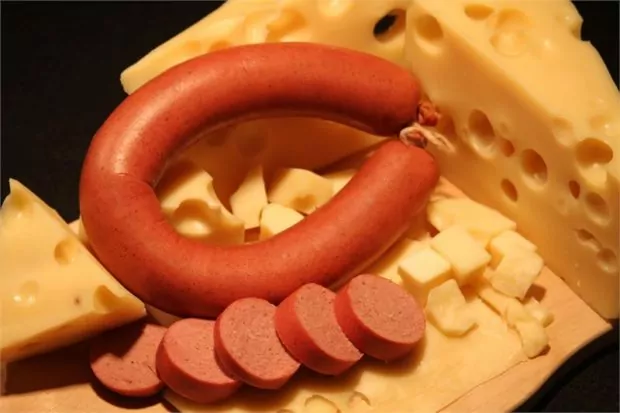
Trail Bologna is a type of smoked ring sausage that hails from the small village of Trail, located in Ohio’s Amish Country. Known for its unique shape, rich smoky flavor, and all-beef content, Trail Bologna has become a beloved staple in Ohio households and a favorite across the Midwest.
Made with coarse-ground, lean beef and seasoned with a traditional spice blend, It is slow-smoked over hardwood, which gives it its signature flavor and deep color. Unlike typical store-bought bologna, Trail Bologna is dense, hearty, and free of fillers—perfect for slicing, snacking, or serving on a charcuterie board.
The History Behind Trail Bologna
The original Trail Bologna was developed in the early 1900s by the Troyer family in Trail, Ohio. Their goal was to create a high-quality, preservative-free sausage that would stand the test of time. And it did—Troyer’s Trail Bologna is still made in Trail to this day, using the same time-honored methods.
Over the decades, the popularity of Trail Bologna has grown well beyond Holmes County. What started as a local specialty has become a sought-after delicacy for those who appreciate traditional meat craftsmanship.
Why We Love It
There’s something undeniably nostalgic and comforting about Trail Bologna. For many, it’s tied to family gatherings, road trips through Amish Country, or simple evenings at home with cheese and crackers.
We love Trail Bologna because:
- It’s made with 100% beef
- It has a smoky, savory flavor that’s hard to beat
- It pairs perfectly with sharp cheddar cheese and mustard
- It’s versatile—great for snacking, sandwiches, or appetizers
It’s also a popular choice for holiday gift boxes and party platters, especially when paired with local cheeses and preserves.
Where to Buy Trail Bologna
Authentic Trail Bologna can be hard to find outside Ohio, but thankfully you can order Trail Bologna online at Cheesehouse.com. We stock only the finest, freshly made bologna sourced from Amish Country producers.
Looking for a perfect pairing? Try it with our Amish Baby Swiss Cheese or add it to a Cheese Gift Box for a delicious Ohio-made treat.
Final Thoughts
Trail Bologna is more than just a regional specialty—it’s a tradition. Whether you’re a lifelong fan or trying it for the first time, this savory smoked sausage delivers an authentic taste of Ohio’s food culture.
Order your Trail Bologna ring today and experience why so many people can’t get enough of this local favorite.
Image Alt Text: “Sliced Trail Bologna ring with cheese and mustard on a rustic wooden board”

Troyer’s Trail Bologna
The Original Troyer’s Trail Bologna
For three generations we at Shisler’s Cheese House have prided ourselves on providing the best examples of local fare to tourists and locals alike. Troyer’s Trail Bologna is one of the best examples of local fare we can recommend. Our Trail Bologna comes from the fourth generation of the Troyer family. Don’t be fooled by imitators. There is only one Troyer’s Trail Bologna, made in Trail, OH and sold exclusively by Ohio retailers.
Now, thanks to the internet, Troyer’s Trail Bologna is available nationwide!
Troyer’s Trail Bologna is best enjoyed with Swiss Cheese, Baby Swiss Cheese, Cheddar Cheese, or Hot Pepper Cheese for those with a more daring palate.
Troyer’s recently added Trail Bologna infused with cheddar cheese and Trail bologna infused with hot pepper cheese to their product offering. We are proud to carry both.
Troyer’s Trail Bologna rings make great gifts, either individually, or they are included in four of our Gift Boxes: Trail Bologna and Cheese, Baby Swiss Cheese and Trail Bologna, Amish Country Sampler, and The Cheesehouse Special.
Description of Troyer’s Trail Bologna
A chunky bologna, made with coarse cuts of meat. Trail Bologna originates from the Troyer family in a tiny town of Trail, Ohio. One of the best flavors of Amish Country! Enjoy the smoky taste of Trail Bologna.
Not to be mistaken for the common Venison Trail Bologna, which was inspired by the original. Troyer’s Trail Bologna is all beef.
Trail Bologna is usually sliced fairly thin and served on a platter with cubes of cheese.
History of Troyer’s Trail Bologna
Trail Bologna was named after Trail, a village in Ohio that is too small to have a zip code of its own. The Troyer family has been making their quality wood-smoked Trail Bologna here for four generations.
Starting in 1912, Michael Troyer created a unique blend of special seasonings to make his now famous all-beef Trail Bologna. The family continues the tradition of excellence to this day by making literally tons of the savory treat daily.
Though obviously no longer hand-stuffed, modern production methods have not altered the quality. It continues to be authentically wood-smoked for the same old fashioned good tasting Trail Bologna.

Superbowl Snacks!
The biggest football game of the year is right around the corner! Don’t let your snack game pale in comparison. Here we have some fun ideas for presentation and taste purposes and a Shisler’s shopping list to make sure your snacks pack the same wow factor as the game!

A 2021 Virtual Comment Card
Good Afternoon and a very happy weekend to you all! It’s a beautiful day in Ohio as we are seeing the sun for the first time in a while. Today, we would like to ask you what you would like to see from Shisler’s in this bright new year. Take a moment to comment on the blog, via email or on social media about your thoughts!

