
Search Results for: nuts
Serving Cheese As A Dessert
In different traditions, it is customary to serve a cheese course before dessert or after dessert. But sometimes, you can switch out your chocolate cake and cherry pie for a delicious cheese course.

In recent years, it has become popular in some places to serve cheese in place of sugary sweets. As a dessert, cheese is an elegant, healthier option than brownies, cookies or ice-cream sundaes. With its many flavors, textures, and aromas, cheese offers a whole other world of possibilities.
Flavored Cheeses
At specialty cheese shops, like Shisler’s Cheese House, you can find a number of specially flavored cheeses from sweet flavors, fruits, liqueurs, beer cheeses and even chocolate cheeses- perfect for dessert! Shisler’s Cheese House has so many options for a dessert cheese which will have your senses overloading and mouth watering. Our store allows for the cheese to become any course of your meal and can be a perfect fit for dessert. One of our favorites, chocolate cheese can be paired with many foods such as muffins, pancakes, and bread. It is the best of both worlds.
Cheese Plates
If you’re creating your own cheese dessert, cheese plates are a very sophisticated option, especially when entertaining guests. A proper cheese board should have around 3 to 4 cheeses that range in flavor from savory and sweet.
To make the presentation look nice and appealing, arrange fresh fruits between each section of cheese. Pears, apples, figs, berries and grapes are good pairings for most cheeses. Then embellish each plate with a sprinkling of walnuts with a side of honey or pecan sauce.
To complement your offerings, put some dark bread and some delicious dessert wines out with the cheese boards. Dessert cheeses match well with vintage Port, Moscato or Icewines. For more on how to get the perfect cheese board and the best wine pairings, take a look at these articles:
The Perfect Cheese Board
The Best Wine And Cheese Pairings
Serving Port With Cheese
Dessert Cheese Choices
Some cheeses are actually naturally fruity and sweet in flavor which is helpful in making them traditional treats for dessert time. Putting together Dutch Gouda, creamy Havarti or French Brie and adding a few slices of fruit and wine can turn these simple cheeses into delicious, mouthwatering desserts.
For savory cheeses, it can be a little more tricky but they still make alluring dessert choices. Matured Parmesan is nutty and salty and perhaps best served with pears and figs. Or robust Italian Pecorino cut into chunks and served with honey and pears to melt in your mouth. Another option could be pairing strawberries and peaches with some Danish Blue.
If you are looking for a more casual treat, warm some slices of Finnish Juustoleipa (Bread Cheese) in the microwave for 20 seconds and serve it with honey or dip it into your coffee for a nice snack.
Easy Cheese Dessert Ideas
You may not notice it but cheese manages to find its way into many traditional desserts- from cheesecake and pies to tarts and tiramisu. So if you are not ready to fully trade in your favorite sweet treats for a cheese plate, you can enjoy the best of both in one dish.
If you don’t have time to bake, however, cheeses like Ricotta and Mascarpone can be turned into mouth-watering desserts with no fuss. With them being mild and creamy cheeses, they can be easily spread or swirled with sweet complimenting add-ins. Enjoy!
The Perfect Cheese Board
When creating and serving cheese boards, nations always tend to serve them differently. For instance, here in America we actually serve cheese boards as a starter whereas in France they serve them right before dessert, and in England, they serve them as the finale (save the best ’til last, right?) The fact is, regardless of when we serve cheese boards, they are a deliciously welcomed indulgence, especially in the finer restaurants and at dinner parties.

Image Source: anappealingplan.com
When it comes to cheese boards, it can vary what you put on them, they can be as simple or as extravagant as you please. However, when it comes to preparing and presenting your cheese board, it can be tricky as they tend to be like a work of art. So here is a perfect guide to help you select and display the best cheese board to be enjoyed to the fullest. Crack open a bottle of wine and indulge in your favorite cheese as you plan your next cheese board.
Selecting What Goes On Your Cheese Board
When it comes to preparing your board, it is best to serve around 4-5 cheeses, this will ensure a good selection while not overwhelming your palate at the same time. Visiting a good cheese store (such as Shisler’s Cheese House!) will ensure variety and good quality cheese. A great tip when you are selecting your cheese would be to aim for different tastes, styles, and textures.
A sample of an interesting but relatively simple cheese board would be:
– A firm cheese such as Asiago or Cheddar
– A soft cheese such as Brie or Camembert
– A blue vein cheese such as Danish Blue Cheese
If you want to go further with your selections, you should add a spreadable cheese such as fresh chevre, or an extra special cheese which is flavored with wine, herbs or spices.
Keep It Themed!
To make your board even more creative, it is great to build around a theme. An idea could be to offer only cheese from different kinds of milk- cow, sheep, or goat’s milk. Another theme could be to offer cheese from a particular country or region a.k.a all American cheeses or Italian cheeses only. Keeping themes will ensure fun and variety. You could even pair the cheese board with a selection of wines from the chosen region as well.
How To Present Your Cheese Board
Now is the important part. You could have the most delicious cheeses possible, but if they are not presented in a way that gets mouths watering, it can be a waste. The best way to begin is by choosing a tray or platter which is large enough to keep cheeses of different shapes and sizes from touching. The type of board can also vary, wood boards are traditional, whereas marble is slightly more elegant and they offer a cool surface and a nicely colored background which will contrast well to make your cheeses pop even more.
Arranging your cheeses is important for making sure they are most accessible to your guests. Put the smaller cheeses in the middle, and then place the soft cheeses around them. The hard cheeses should then be arranged on the outside of the cheese board so that they are easier to cut.
Accompaniments On Your Cheese Board
It is important to garnish your piece of art with natural ingredients. Grapes, apples, parsley, celery, tomatoes and dried berries all are natural and add beautiful colors and flavorings to the board and the perfect contrast and compliments. You might also wish to add olives, onions or lightly roasted nuts in separate dishes. To balance it all out, it is best to add a variety of crackers and bread that aren’t too strong or salty. While you want to keep it simple, that doesn’t mean you cannot treat your guests to something special. Adding slices of tangy sourdough or black pepper biscuits will definitely keep it special.
For beverages, wine, beer, and cocktails are all the popular, classic accompaniments. Put simple, blue cheeses pair well with Sauternes and Port, fresh cheeses pair well with Pinot Noir or Sauvignon Blanc, and aged cheeses with Zinfandel or Burgundy. For more of the extravagant soiree, perhaps offer a different wine for each cheese. Again, tying it back into themes, the best way is to choose a wine from the same region of the cheese.
Tips On Serving
– Serve each cheese with its own knife to avoid mixing flavors.
– Remove wrapping from cheeses, but leave on rinds.
– Serve cheeses at room temperature for optimal flavor. To do this, take cheeses out of the refrigerator up to 2 hours before serving.
After The Dinner Party
With any leftover cheeses, you should discard any leftover soft cheese, but unused hard cheeses can be re-wrapped and replaced in the refrigerator for your next cheese board. If your leftover cheese happens to be too small or too odd in shape for another cheese board, you can simply melt it, shred it or bake it into a delicious cheese recipe.
The Perfect Wine For Every Beer Lover
If you are a beer lover and refuse to drink wine, you are totally missing out. It is understandable that beer and wine are two very different drinks- with beer being brewed all year-round with lots of different starches and wine being produced only once a year from different kinds of grapes. Beer is also seen as a more casual drink compared to wine.

Image Source: crystalcoast.guide/beer-and-wine-found-in-crystal-coast/
However, just because beer and wine are completely different, it doesn’t mean you should limit yourself. And, while wine and beer are made in different ways, from different products, they still are both fermented, alcoholic drinks which can truly share flavor similarities.
If you are still in doubt, you won’t be after looking at these 6 popular styles of beer and their wine equivalents:
For Stout drinkers- Try Merlot
For those who drink stouts, generally enjoy the comforting richness of the beers roasted, malty flavors. They often give hints of chocolate, coffee, and even toffee. They are quite exceptional beers and tend to be less heavy and bitter than the average beers.
Red wine is definitely the way to go when pairing Stout with wine. Reds particularly in the region of Merlot, Malbec and Shiraz Triangle (all often confused with each other). These wines have a softer approach, with a richness of fruit, yet a balanced acidity that stout drinkers look for.
For the Pale Ale drinkers- Try Grüner Veltliner
For those who enjoy tasting the hops in their beer, but don’t want them dominating the flavor, pale ales are always preferable. Hops give a fresh greenness to the beer, being grassy and slightly bitter, but complimented by bright citrus at the same time.
The best match for this type of beer is Austria’s Grüner Veltliner wine, which has that same green quality as a pale ale. The best way to describe it is the flavor of chive alongside a bitter and spicy flavor like pepper or radish, all brought together with a citrus like lime or grapefruit.
For the Lager drinkers- Try Verdejo From Rueda
Larger is one of the most misconceived styles of beer there is, being thought as boring, unnotable and suitable for mindless drinking at bars or cookouts. The mass production of this style of beer really takes away how awesome Lager actually is, with its crisp, refreshing, savory taste.
Verdejo contains all the qualities that lager drinkers crave in an alcoholic beverage. Verdejo may seem simple at first, but it has hidden savory qualities of good lagers, with its clean drinkability and bright citrus flavors.
For Wheat beer drinkers- Try Albariño From Rias Baixas
Somehow, in a country such as America, who enjoy super bitter beers, have come to love wheat beer and it has come to be the most polarizing style of beer in America. Wheat beer is extremely thirst quenching and intensely fruity with orange and coriander flavors and close flavors of a traditional hefeweizen.
This fruit-driven beer is closely matched to the delicious Albariño From Rias Baixas because it is intensely fruity, with aromas of tropical fruit such as peach and meyer lemon, but with zippy lime flavors and lots of texture. Like wheat beer, the acidity removes any illusion of sweetness, leaving your mouth refreshed and ready for another sip.
For Sour beer drinkers- Try Loire Valley Whites
The popularity of sour beers has definitely grown over the years. Sour beers tend to be tart, earthy and noticeably high in acidity. This generally means the sour beer is inherently very wine-like. The good thing about this being a wine-like beer is there are plenty of high acidic, savory, white wines to choose from.
The Loire Valley selection of wine is mineral-driven, savory whites. For lovers of salty, tart beverages should definitely look to the Loire region of Muscadet near the ocean. For more ‘out there’ sour beer lovers, you should move inland, where Chenin Blanc has funky flavors of cheese rind, toasted nuts and much more.
For IPAs drinkers- Try Sancerre
While a lot of IPAs reside within the pale ale category, a lot of pale ales are less hoppy than IPAs. IPAs are definitely dominated by the flavor of hops, making it greatly bitter and green. You can definitely not mistake this beer with its bold flavor.
Sancerre has intense hop quality and is also citrus-driven in flavor, making it a perfect match to IPAs. Rather than a bell pepper green type flavor, Sancerre’s flavor is more like fresh cut grass or herbs like basil and parsley. With this wine also being acid-driven, the grapefruit and lemon citrus make Sancerre slightly bitter, but refreshing.
Traditional Easter Food From All Over The World
It is Easter Weekend this week! What better way to get us ready than explore the world’s favorite, traditional Easter dishes? You never know, you just might find some tasty ideas for your own Easter meal!

Image Source: jovinacooksitalian.com/tag/easter/
‘Rosquillas’ From Spain
A lot of Spaniards will enjoy these special treats at Easter. These donuts can either be baked or fried. They are made from fermented flour and depending on the region, they’re either dusted with sugar, flavored with rosemary or some even soaked in anise liqueur.
‘Hot Cross Buns’ From U.K.
No Easter in Britain would be complete without Hot Cross Buns. This sweet, spiced bun is marked with a cross and has been eaten for hundreds of years in tradition to Easter. Simmel cakes which are fruit cakes topped with marzipan are also popular during Easter and they are made to resemble the Apostles.
‘Mämmi’ From Finland
Mämmi is traditionally made with rye flour, water, and powdered malted rye. It is also seasoned using dark molasses, dried powdered Seville orange zest, and salt. The name for it in Swedish is Memma.
‘Chervil Soup’ From Germany
Germans traditionally eat green colored foods on Maundy Thursday because it is known as Gründonnerstag or “Green Thursday”. Because of this, Chervil soup is a popular choice.
‘Tsoureki’ From Greece
This bread is quite like brioche. It is flavored with essence drawn from the seed of wild cherries. It’s an Easter tradition mainly because it is often decorated with hard-boiled eggs that have been dyed red, to symbolize the blood of Christ.
‘Kulich’ From Orthodox Christian Countries
Many families from Orthodox Christian Countries such as Georgia, Russia, and Bulgaria, are known to bake the Kulich cake during Easter time. Kulich is baked in a tall tin and is decorated with white icing and colorful sprinkles. The cake is also often blessed by a priest after and Easter service.
‘Påskeøl’ From Denmark
This may not be a dish as such but can easily accompany a great Easter dish because in Denmark, this is a special beer during Easter. It is slightly stronger than regular beer too!
‘Pashka’ From Russia
This dessert is in the shape of a pyramid, and for all us cheese lovers, it is made out of cheese! This particular dessert is traditionally served during Easter time in Russia. It is often decorated with the religious symbols ‘XB’, which are from “Christos Voskres”, which translates to “Christ has Risen”.
‘Pinca’ From Eastern Europe
Pinca is similar to a large hot cross bun. It is a sweet bread marked with the sign of the cross and is commonly eaten in Slovenia and Croatia to celebrate the end of Lent. In some areas of Italy, it is also enjoyed.
‘Paçoca De Amendoim’ From Brazil
This tasty Brazilian treat is often served in honor of the Easter festival in Brazil. It is made from peanuts, cassava flour, and sugar.
‘Capirotada’ From Mexico
Capirotada is a spiced Mexican bread pudding which is filled with cinnamon, raisins, cloves and cheese. It is popular during Easter and is said to that each ingredient carries a reminder of the suffering of Christ. The cloves resemble the nails on the cross, the cinnamon as the wooden cross itself and the bread as the Body of Christ.
‘Colomba Di Pasqua’ From Italy
Colomba Di Pasqua is very similar in taste to the Italian Christmas bread ‘Panettone’. This cake is candied peel stuffed and is often shaped like a dove for religious symbolism.
‘Mona De Pascua’ From Spain
This popular Easter cake is traditionally cooked in many regions of Spain during Holy Week (Semana Santa). This cake traditionally is what looks to be a large donut which is topped with a hardboiled egg.
8 Foods That Will Give You A Healthier Mind
It is easy to forget, with our busy lifestyles, the basic guidelines for healthy eating. A lot of the time, we are so busy that we don’t even manage to consume the 3 important square meals a day. However, there are certain foods that are considered to be ‘brain foods’ and can really help with the overall function of your brain and are really easy to fit in with even the busiest of lifestyles.
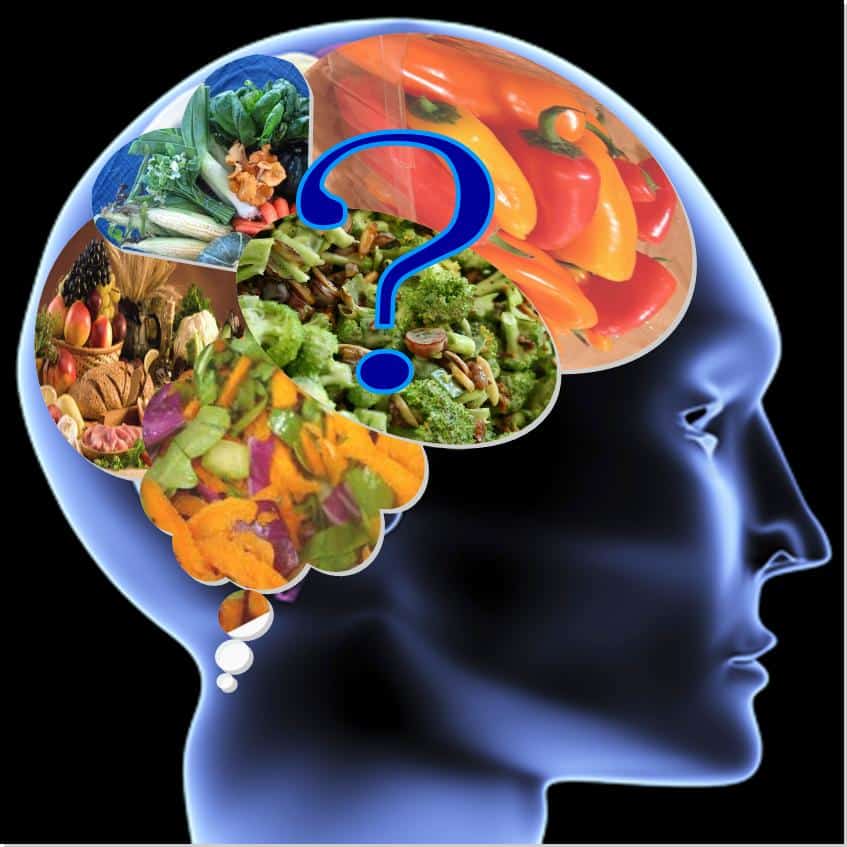

Image Source: simplesmartscience.com/wp-content/uploads/2015/08/brain-food.jpg
Here is a list of 8 super foods that are proven to help with memory, focus and keeping you feeling more energized throughout the day- which we can all admit, would be very helpful!
1. Nuts
Being high in fiber, protein, unsaturated fats and a huge array of minerals and vitamins, eating a handful of nuts each day, may well keep the doctor away! Each type of nut offers a huge variety of nutrients. For example, Walnuts contain a high amount of alpha-linolenic acids, which is essential for our brain in keeping it healthy and active, as it is one of the three Omega-3 fatty acids that we need. Another example would be Cashew nuts. Cashews are high in iron, zinc, and magnesium, which is linked to helping the improvement of memory loss and memory related diseases.
2. Avocado
Avocados are a heavily packed food, containing an incredible amount of nutrients such as vitamins A, C, D, E, K and all B vitamins, along with potassium and fiber. And if that isn’t enough, Avocados also are rich in polyunsaturated and monounsaturated fats, also known as Omega-3 fatty acids. With Avocados containing so much goodness, they help with a wide range of things such as keeping your heart and brain healthy and reducing your risk of developing Alzheimer’s disease.
3. Beets
Beets have been proven to increase blood flow to the brain. Not only that, they are also high in minerals and vitamins such as Vitamin C, folate, fiber, manganese, and potassium. They convert nitric oxide in your body which can improve your overall mental performance and brain function greatly because it helps you to relax and dilates the blood vessels in your brain, ultimately lowering your blood pressure.
4. Salmon
It may be known to you that eating fish that is high in fatty acids is one of the best sources of protein and other nutrients which are essential for your brain and body. It is even more important that we eat foods like salmon because our body simply does not make the essential fatty acids we need. Salmon, along with trout, mackerel and sardines also contain high levels of EFAs and DHAs, which DHAs improve memory loss and can reduce the risk of memory related diseases.
5. Dark Chocolate
For all you dark chocolate lovers out there, it is proven that dark chocolate has the most brain health benefits out of all chocolates. Chocolate is used widely as a comfort food, but realistically chocolate does actually make you feel a lot happier because of its high levels of tryptophan, which is a neurotransmitter of feeling happy. The flavonoids in dark chocolate improve blood flow to the brain which in turn, increases your reaction time, your attention span, your overall memory and your problem-solving skills. That isn’t all, dark chocolate also releases endorphins into our brain, which reduces stress levels and pain.
6. Broccoli
Since we were children, it is always hammered into us that eating greens is important. But eating greens really has never been more important than for your overall brain health. Broccoli helps strengthen your cognitive brain functions and improve your memory because it is rich in Vitamin K and choline. It also contains a high amount of folic acid, which helps fight off depression and keeps you feeling happy. Not only that, the folic acid aids in preventing Alzheimer’s disease. Additionally, broccoli benefits our most basic functions such as reasoning, thinking, remembering, imagining and learning, because of its high levels of lignans.
7. Whole Grains
There are a huge variety of whole grains such as pasta, whole grain bread, brown rice, and oats. Whole grains are low glycemic foods which will keep your blood sugar stable for a lot longer than when you eat refined or white grains. This is why whole grains are considered to contain magical energy for the brain. Whole grains also alter your glucose levels slightly and will slowly supply glucose to the brain and body over time, helping you concentrate for longer and stay focused more, throughout the day.
8. Blueberries
You might be relieved to know that many studies show that eating blueberries can help slow the aging process and age-related diseases! According to another study, from Tufts University, blueberries, if eaten regularly can also help with short-term memory loss. These magic berries can also help your motor functions and improve your learning abilities.
A World Where Baked Goods Are King!
There’s nothing better than a house that smells like sweet baked goods, there’s nothing better than a belly full of them either! Let’s turn on the oven, get cozy, and take a tour on these glorious baked goods!

Image Source: http://i.ebayimg.com/00/s/NTIwWDgwMA==/z/aTUAAOSwd4tT2amN/$_3.JPG?set_id=2
British Hot Cross Bun
Hot Cross Buns used to be available during Easter time, as they symbolize the religious event that Easter is. They’re stacked with currants and have a cross to symbolize the crucifixion. They also contain a number of spices to represent the embalming process prior to the burial. You may get your fingers sticky, but these tasty buns are definitely worth it!
Portuguese Pastel De Nata
This small egg custard tart is one of Portugal’s favorite snacks. It was first baked by monks at the Jeronimos Monastery in Lisbon. It was made quite by accident, or as an experiment, the monks had too many egg yolks left over after separating the egg whites to starch their clothes, so they came up with the delicious egg custard.
Italian Ferrarese Panpepato
There are many varieties of panforte in Italy. They usually consist of densely-packed nuts and dried fruit, with a pinch of cinnamon, pepper and even sometimes alcohol! They are then baked into a loaf, and then covered in chocolate. This baked good is very filling, so a little goes a long way. It is said that it is a modern-day take on medieval sweetbread.
Chinese Mooncakes
If you find yourself in China anytime soon, you will definitely want to try their Chinese Mooncakes! It is a pastry crust stuffed with red bean paste or lotus seed paste. They seem to be more than a tradition than a delicacy as it is reported that around two million mooncakes are thrown away each year! What a waste!
Italian Panettone
Originally from Lombardy, this sweet brioche loaf can be great for Christmas time but does come in many different varieties to suit all seasons. It ca be dusted with powdered sugar to being dotted with dried fruit or chocolate. Panettone is known for its dome shape, it may have the texture of brioche but its leavening process is a lot more complicated because an acidic cure is used to make it more akin to sourdough than a traditional cake.
Viennese Strudel
This beauty was popularized in the 18th century Habsburg Empire. The pastry is filo and is layered with sliced apples. Back in 1696, the original was actually layered with turnip- so glad they switched to apples; it tastes much sweeter and nicer!
New England Whoopee Pies
You might not be able to tell whether it is a pie or a cookie. New England Whoopee Pies are a mixture of both. It usually consists of a gingerbread or chocolate soft cakey top and bottom with a creamy filling. They might possibly be the fanciest Orea look-alike you ever see! It is argued among New England and Mane about who invented it, but either way, it is a delicious delicacy!
Filipino Bibinkga
This tasty treat is made from a rice flour pastry baked in a clay pot lined with banana leaves and it is dusted with coconut! Making it can be more complicated than eating it, that’s for sure, but it is definitely worth it!
Slovenian Potica
The Potica is Slovenian’s national pastry. It is a favored centerpiece for holiday meals or special occasions. This baked good is normally filled with ground walnuts on a really large sheet of pastry that is rolled and then jiggled from one corner into a tight serpent-like shape. It is then laid into a terracotta Bundt pan to bake. Usually, it is served in slices.
German Blitzkuchen
The name ‘German Blitzkuchen’ sounds a lot fancier than what it actually is- coffee cake. Nevertheless, it’s one of the best coffee cakes you’ll ever try! It’s quite bizarre how coffee cake doesn’t actually have any coffee in!
Latvian Klingeris
The translation of this baked good is “Golden Coffee Cake”, it is traditional to have on birthdays, but can also be a popular choice for a dessert smorgasbord. you may wonder why a coffee cake is being classed as a baked good rather than a cake. Well, this is no ordinary coffee cake, it is twisted like a pretzel and has flavors of almonds and saffron and cardamom.
A Countdown of the Greatest Cured Italian Meats!
Italy is famous for many things, contributing at large to the well-loved dishes such as pizza and pasta, in the world today. However, their most important contribution has got to be the cured Italian meats. Without them, our pizzas would just be a pool of orange grease, our charcuterie boards would be so very boring and most of all, Oscar Mayer would be nothing, without his famous Bologna!
/about/182025119-56a30ede5f9b58b7d0d0362a.jpg) Image Source: Carlos Gawronski/Vetta/Getty Images
Image Source: Carlos Gawronski/Vetta/Getty Images
11. Pepperoni
Pizza would be a much healthier dish if it wasn’t for pepperoni, but that’s no fun and not as tasty, so thank you pepperoni! Although people usually don’t know exactly what it is made of (either cured beef or pork in a slice), everyone can agree that its overpowering taste and greasiness is why it is one of Italy’s greatest contributions to the world’s love of pizza.
10. Lardo
Much like its name, Lardo is cured back fat. It is very similar to bacon, except without all the meat… It’s addictive rosemary flavor will have you hooked on it!
9. Salami
If you want to be traditional, you might want to call it Salumi instead. Now, despite all the variety that there is to choose from, you will have to agree that Salami alone is a delicacy. It’s delicious on a cheese plate, sandwiches or even on its own. Salami was once a peasant’s simple storec upboard staple, but now it is a staple of the world’s finest wine bars. The point is, whether it is being cut off a basic stick, or coming from one of Oscar Mayer’s finely vacuum-sealed packages, you’ll never be disappointed.
8. Mortadella
Mortadella is perhaps one of Italy’s finest contributions to cold cuts. The world without mortadella is not the world anyone would want to live in. Its perfect blend of pork, nuts, spices and other delicious ingredients make it very much like and Italian version of bologna.
7. Capicola
This delicious, ultra-fatty salumi is made from the meat surrounding a pig’s shoulder or neck. Given where the meat is from, it gives the flavor a salty one, along with the greasy strips of fat. It is a very popular cured meat on charcuterie plates all over, along with it being a staple to the deli-style Italian sandwiches.
6. Soppressata
Making more use of prime cuts than a sandwich-style salami, this dry sausage, melts in your mouth with its overload of fat chunks. Not only is it mouthwatering, it leaves your tongue coated in delicious spices. This cured meat just overpowers the senses with its rich flavor.
5. Bresaola
This Italian meat is leaner than pretty much all of them. Although it can look quite like a Tootsie Roll, it tastes quite the opposite. Its taste is similar to dried salted steak and can actually be served up with a meal.. a very filling meal!
4. Culatello
Referring to Culatello as “Italian Ham” does not do it justice at all. Culatello is perfection and also quite a rare Italian cured meat to find because it was banned from importation due to it being aged in a bladder. However, just recently, the ban was lifted, so it should be gracing our hungry tummies soon enough!
3. Porchetta
This delicious combination of roasted and cured pig is what makes up Porchetta. You could compare this beautiful, Italian cured meat to an all-meat burrito, the skin being the outer shell, pork belly, and loin as the filling, with the garlic and spices acting as the salsa. Unlike most cured meats, Porchetta hasn’t been cured all the way through, so it doesn’t have a very long expiry date, which means you have to eat it fast.
2. Pancetta
Pancetta is Italy’s version of bacon. This salty chunk of pork fat will have your mouth-watering. Even though it is cured and not smoked, it is just as delicious whether it is served in cutlets or is thinly sliced.
1. Prosciutto
This amazing piece of meat takes the throne with its abilities to make even vegetables delicious when wrapped around them, and to make pizza even tastier (who thought that was possible?!) If you really want to devour some glorious pork, Prosciutto is where it at! the tasty, salty, paper-thin pieces will leave you dying for more.
The Age-Old Thanksgiving Debate: Turkey Stuffing vs. Turkey Dressing
Peanut butter and jelly, wine and cheese, chicken and waffles, tea and crumpets… all are individual items, but when matched with its counter, becomes a beautiful marriage. Now, enter Turkey and Stuffing, er… scratch that, Turkey and Dressing, er… wait, which one is it? Turkey and Stuffing vs Turkey and Dressing has become a heated debate, debacle and in some circumstances, seemingly an all-out, heated holiday war among family members and friends at the Thanksgiving dinner table. A number of people claim that there is no difference between stuffing and dressing, while on the opposite end of the spectrum, there is quite the difference, nearly a night and day difference, in fact. So, is there really a difference between the two iconic, holiday sides dishes?
 Source: http://i2.wp.com/plantingseedsblog.cdfa.ca.gov/wordpress/wp-content/uploads/2013/11/Turkey-and-stuff.jpg
HISTORY
Stuffing, in its basic form, is a seasoned mix that’s created to fill, or “stuff” the inside of the turkey, hence the name, “stuffing”. According to the Oxford English, “dressing” bears a much broader definition as it is referred to as a “seasoning substance used in cooking”. Well, that helps… actually, it confuses the debate even further…
WHAT’S COMMON
Turkey stuffing and dressing recipes are known to be interchangeable. The foundation of the recipe is generally a crumbled bread product of sorts, and this can be anything like cornbread, biscuits or sliced bread. The just of these recipes note the addition of chopped onions alongside celery. A number of recipes call for the sauteing of onions and celery to invoke a more tender taste, while other recipes maintain the firmness of the onions and celery.
WHAT’S DIFFERENT
The differences between the two, and there are a number, are truly what sets these two side dishes apart, finally… One of the main differences is that stuffing is actually “stuffed” into the turkey before it gets places in the oven, making the stuffing, genuinely stuffing. The dressing is generally put into a greased pan, and this becomes baked as well. Further, it is noted in the famous cookbook, “The Joy of Cooking” that the concoction is coined “stuffing” if it becomes cooked inside the turkey. The National Turkey Federation, yes… there is a federation for this bird, tends to think that the terms “stuffing” and “dressing” are quite interchangeable… again, with the indecisiveness.
A number of other ingredients can make these side dishes distinct or similar, and a good bit of the differences between stuffing and dressing could very well be dependent on the region in which they are made, for instance, southern regions of the US generally refer to the side dish as “dressing” while northern regions of the US refer to the side dish as “stuffing”. Additionally, there are recipe deviations across the board that might call for sausage, walnuts, cranberries, and even oysters.
ROUNDING IT ALL UP
When considering all that is on the table, perhaps the debate will continue on for years and even centuries. Perhaps, the age-old debate will never have a set-in-stone answer, and you know what? Maybe it’s best left an open-ended discussion for families, friends and those who appreciate the culinary arts to discuss and debate the similarities and differences for years to come. The main takeaway, though, is that either, “dressing” or “stuffing” are darn good with turkey!
Pumpkin Rolls Will Leave You “Fall”ing For More
As we begin turning the page on the final week of October, we are surely at the heart and splendor of Fall. With Fall, especially as we head through the last week of October and the great, mysterious and trick-filled holiday, that is Halloween, come pumpkins, scarecrows, jack-o-lanterns, costumes, trick-or-treat, Halloween parties, hayrides and many other festivities representative of the holiday also known as “All Hallow’s Eve”.
Before we delve into a fantastic and delicious holiday recipe I’ll share with you, I wanted to take a moment to divulge some of the lesser known history of Halloween. or as it originally was termed, “All Hallow’s Eve”. As we all know, Halloween has become holiday where people of all ages dress up in costume, go around their neighborhoods, and ring the doorbell of any house whose porch light is on and say “trick-or-treat”. The door would then open (hopefully) and the trick-or-treater would be greeted with candy or chocolate or any other kind of Halloween treat. People of all ages would do this on Halloween night until their hearts were content with the amount of Halloween goodies that had aggregated over the entirety of the night. Because of this tradition of going from house-to-house, saying trick-or-treat, and receiving treats on Halloween night, this night also became known as “Beggers’ Night”.
Now for the untold story of Halloween, and while many are versed in this story or are familiar with bits and pieces of the story, allow me to divulge the history of Halloween, in a nutshell, of course. Halloween was original called, “All Hallow’s Eve” and had more religious and spiritual meaning than it does today, as commercialism has taken over the holiday, as it does with most. The original intent of “All Hallow’s Eve” which still is observed today, for the most part, was to wear costumes and masks to disguise oneself in order to thwart off and frighten the evil or “malignant” spirits that, according to legend, roamed the world of the living for one night, “All Hallow’s Eve”. This night had a connection to the Christian Holy Day of “All Saints Day” which falls the day after Halloween. So, for all intents and purposes, All Hallow’s Eve was a night in which people dressed up to disguise themselves in mask and garb in order to scare off any evil spirits that may “stain” the purity of the Holy Day of All Saints Day. Through the years and centuries to come, as you can see, All Hallow’s Eve garnered much attention, especially through commercialism and transpired into what is known today as Halloween.
To celebrate the spirit of the holiday, here is a famous recipe for Pumpkin Rolls. A recipe that will have you begging for more!
 Photo: http://foodnetwork.sndimg.com/content/dam/images/food/fullset/2012/11/19/1/YW0202H_pumpkin-roll-recipe_s4x3.jpg
What You’ll Need:
- 3/4 cup all-purpose flour
- 1 cup granulated sugar
- 1 teaspoon baking soda
- 2 teaspoons pumpkin pie spice
- 1 cup pumpkin puree
- 3 eggs
- 1 cup plus 2 tablespoons confectioners’ sugar, divided
- 1 (8-ounce) package cream cheese, softened
- 1/2 stick butter
- 1 teaspoon vanilla extract
What To Do:
- Preheat oven to 375° F. Coat a rimmed 10″ x 15″ baking sheet with cooking spray.
- In a large bowl, combine flour, granulated sugar, baking soda, and pumpkin pie spice.
- Stir in pumpkin and eggs. Pour mixture onto prepared baking sheet, spreading evenly.
- Bake 12 to 15 minutes, or until a wooden toothpick inserted in center comes out clean.
- Remove from oven and invert onto a clean kitchen towel that has been sprinkled with 2 tablespoons confectioners’ sugar.
- While cake is still hot, roll it up in the towel jelly roll-style from the narrow end; cool on a wire rack.
- When cool, unroll cake and remove towel.
- In a small bowl with an electric mixer on medium speed, beat cream cheese, butter, vanilla, and remaining confectioners’ sugar.
- Spread onto cooled cake and immediately re-roll (without towel).
- Place on serving platter and refrigerate until ready to serve. Cut into slices just before serving.
- To give this the final touch, sprinkle on some confectioners’ sugar just before serving.
Recipe Source: http://www.mrfood.com/Cakes/Pumpkin-Spice-Roll
How to Make Delicious Banana Bread
While historians and banana bread “experts”, if there is even such a thing, claim knowledge to the origin and primitive creations of banana bread, the true origins and historical beginnings of this delicious dessert-style bread is not entirely known, albeit large doses of speculation exist at the forefront. What we do know is that banana bread is a a moist and delicious after-meal eat.
One thing we do know is that history of bananas gives us insight that bananas have been around and a mainstay of agriculture for about the last 200+ years.With the birth and inception of such ingredients as baking powder ad baking soda, came the invention of banana bread. When baking banana bread, the ideal bananas are not the green ones that came in just hours ago, but the ones that are soft, yellow and much more ripened and appear golden-yellow in color. Bananas tend to ripen very quickly. A good practice is when you have very green (not yet ripe) bananas, place them in a brown paper bag and they will nearly-instantly begin turning ripe, albeit, by “instantly”, we’re looking at about 12 hours in a brown bag, rather than 12 minutes.
Essentially, a banana muffin recipe nearly parallels banana bread as it exhorts a very similar texture and flavor. A critical component to both recipes (banana muffin and banana bread) is to mix the ingredients when dry with wet ingredients only until they become blended with each other. Of both recipes, banana muffins seem to be the easier recipe. Banana bread and banana muffins are a great breakfast item and a very easy to grab, on-the-go food. Both recipes are taken to an entirely different level when nuts are added, increasing the moisture and sweetness of the bread and muffins.
Here is some recipes for banana bread, banana muffins and all-bran banana bread:
HOW TO MAKE BANANA BREAD
- 2 bananas (ripened, yellow-look)
- 1 cup of sugar
- ½ cup of oil
- 2 eggs
- 2 cups of flour
- 3 teaspoons of baking powder
- 1/8 Teaspoon salt
- 1 Cup chopped nuts
- Preheat oven to 350°F degrees.
- Grease and lightly flour bread loaf pan.
- Mash ripe bananas in a bowl; add sugar, oil, and eggs and beat until smooth.
- Sift together the flour, baking powder and salt; stir in the nuts
- Combine the dry mixture with the banana mixture and stir in until blended.
- Pour batter into prepared pan and bake for 60 minutes or until pick comes out clean.
__________________________________________________
BANANA MUFFIN RECIPE
When I learned how to make banana bread, here is my muffin recipe.
- 1/3 cup of sugar
- 1 ¾ cups of flour
- 2 teaspoons of baking powder
- ¼ teaspoon of salt
- 1 beaten egg
- ½ cup of milk
- ¼ cup of cooking oil
- ¾ cup of mashed ripe bananas
- ½ cup of chopped nuts
- Preheat oven to 400°F degrees.
- Line muffin tins with paper liners.
- Combine in a mixing bowl flour, sugar, baking powder, salt and nuts; Blend and make a well in the center.
- Combine in another bowl the milk, egg, oil and bananas; blend well.
- Add the banana mixture all at once in the well of the dry ingredients; stir just until moist.
- Fill prepared muffin tins 2/3 full and bake about 20 minutes or until pick comes out clean.
__________________________________________________
ALL BRAN BANANA BREAD RECIPE

- ¼ Cup solid shortening
- ½ Cup sugar
- 1 Egg
- 1 Cup All Bran Cereal
- 1 ½ Cups mashed bananas
- 1 Teaspoon vanilla
- 1 ½ Cups flour
- 2 Teaspoons baking powder
- ½ Teaspoon salt
- ½ Teaspoon baking soda
- ½ Cup chopped nuts
- Preheat oven to 350°F degrees; grease loaf pan.
- Sift together flour, baking powder, salt, baking soda; stir in the bran and nuts and set aside.
- Cream shortening and sugar; ad egg and beat well.
- Add mashed bananas and vanilla; beat until well blended.
- Add dry ingredients and mix with a spoon until well blended.
- Spoon batter into prepared loaf pan and bake about 1 hour or until the pick comes out clean.

