
Category: Cheeses
Feta: It’s All Greek To Me!
The History of Feta

Feta literally means slice
The history of cheese has been around since the birth of humanity, and is connected to the taming of domestic animals over 10,000 years ago. The roots of cheese making are not known with certainty, however, it is believed that cheese was first produced roughly 8.000 years ago. It is very likely its discovery was completely accidental, during transport of milk in stomachs of young animals.
To the modern consumer, the word Feta means brine cheese, produced in Greece, using specific technology from sheep and goat milk. According to Greek mythology, the gods sent Aristaios, son of Apollo, to teach Greeks the art of cheese making.
There are many records regarding production and consumption of cheese in ancient Greece, from Aristoteles, Pythagoras and other ancient comedy writers. It has been known at least since Homer’s time. The cheese that was prepared by Cyclope Polyfimos and described in the 8th B.C. century in Homer’s Odyssey, is considered to be the ancestor of Feta:
“We entered the cave, but he wasn’t there, only his plump sheep grazed in the meadow. The woven baskets were full of cheese, the folds were full of sheep and goats and all his pots, tubs and churns where he drew the milk, were full of whey. When half of the snow-white milk curdled he collected it put it in the woven baskets and kept the other half in a tub to drink. Why my good ram are you the last to leave the fold? You have never been left behind by the flock before. You were always first walking ahead to graze the tender sheets of grass.”
According to myth, Cyclope Polyfimos was the first to prepare cheese. Transporting the milk that he collected from his sheep in skinbags made of animal stomachs, one day he realized to his great surprise that the milk had curdled and had taken a solid, tasty and conservable form.
In the museum of Delphi, a statuette of the 6th B.C. century can be found that depicts the exit of Ulysses hanging under the Cyclopes favorite ram. 8,000 years later the way Feta is produced remains much the same, differing only in areas such as automation and packaging.
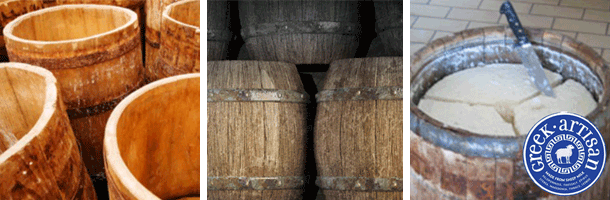
The ancient Greeks called the product that emanated from the coagulation of milk “cheese”. The name Feta, literally meaning “slice,” originated in the 17th century, and probably refers to the practice of slicing up cheese to be placed into barrels—a tradition still practiced today. The name Feta prevailed in the 19th century, and since then has characterized a cheese that has been prepared for centuries using the same general technique, and whose origin is lost in time.
In the 20th century a mass immigration of Greeks to various countries took place mainly to Australia, the United States, Canada and Germany. As a result, numerous Greek communities were formed abroad, whose members maintained to a large extent their dietary habits. Thus, new markets were created for Feta cheese in different parts of the world, resulting in the growth of Feta’s international trade.
Feta really is Greek
 The European Commission has instituted the protection of the geographical origin of various products, through their characterization as products of Protected Designation of Origin (PDO).
In today’s globalization era, safeguarding origin names and the right to use these against producers providing the markets with imitations is not an easy process. Insofar as a specific product is connected in consumer minds to a specific name place, in a way that a mere mention of the product name, brings its place of production immediately to mind, it is fair and in accordance to international treaties to protect its origin name.
Initially Feta was established according to the regulation 1107/96 as a product of Protected Designation of Origin based on the terms laid out by EU regulation 2081/92 regarding the conditions for a product to be characterized as such. However, some member states appealed to the European Court for the annulment of this decision. Their position was that the name Feta had become a common one. The European Court decided the partial annulment of the regulation 1107/96, removing the name Feta from the protected geographical indication register. The thinking behind this decision was that during establishment of Feta as PDO, the Commission had not taken into account the analysis of the situation in other member states regarding the documentation of the authenticity of its origin.
After a thorough analysis regarding the situation in member states, from which it was revealed that the origin of Feta is indeed Greek, and after a recommendation from a scientific commission, the Commission suggested the re-registration of Feta in the rule (ΕC) 1107/96. The name Feta was re-introduced in the PDO registry with the (EC) 1829/2002 ruling of the Commission in October of 2002.
A European Celebration: Cheeses From Across Europe
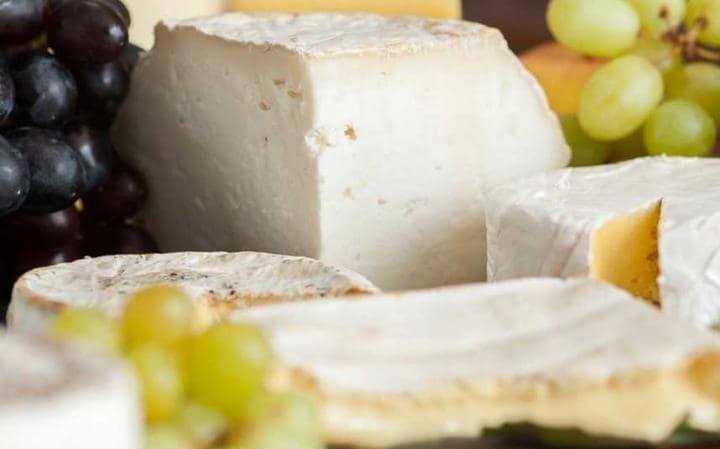
The science, in truth, is fairly simple. Take some milk – a cow, sheep or goat will provide just fine. Add a starter enzyme and then some rennet to separate the curds (solids) from the whey (liquid). Congratulations: you have just made cheese. Almost every one begins its life-like this. “Pretty much everything after that point is a tweak,” explains cheesemonger Ned Palmer.
So, why is there such variety in cheese’s taste and textures? “One word tells you: terroir. It all starts with the land,” says Patricia Michelson of La Fromagerie, London’s best place to try and buy artisan cheeses from all over Europe. “The climate and the soil affects the animals, the food they eat – whether that is cows grazing pasture or goats foraging. Everything affects the taste of the milk, and therefore the cheese.”
Another thing all great cheeses share is the attention of a genuine artisan cheese maker. “Everyone uses the word ‘artisan’ to mean anything now,” adds Michelson. “When it comes to cheese, I mean a small dairy, using raw, unpasteurized milk from a single herd. An artisan follows the process from pasture to table, making everything by hand. Even the starter used to begin the curdling process can be made from the previous day’s milk.” The result is almost endless variety, between countries and regions, styles, even neighbouring villages.
Now, let’s take a tour of the fascinating and intriguing world of European cheese.
Austria: Alp-Bergkäse
The family of Bergkäse, or “mountain cheeses”, enjoy one crucial benefit: cows that spend their summers on Europe’s alpine pastures. “In Austria’s Bregenzer Wald region, these cheeses are made in summer only, in little chalets, not dairies,” explains Patricia Michelson, who also wrote the cheese lover’s bible, Cheese: The World’s Best Artisan Cheeses (Jacqui Small, £30). “The milk is heated in a cooper vat with wood burning beneath. Sparks fly and cinders drop into the vat – the flavour of the resulting cheese is richly wood scented,” adds Michelson.
Buyers for Michelson’s cheese business don hiking boots to source the best cheeses from the Alp Loch. Travellers can also visit cheese makers, alpine markets and specialist vendors as part of the Bregenzerwald Käsestrasse trail.
Belgium: Fromage de Herve
Belgium’s only Protected Destination of Origin (PDO) cheese is a cow’s milk cheese, made east of Liège since the 13th century. Like many made close to Europe’s west-facing coasts, the cheese is encased in an edible washed rind.
“Over-saline climates can ruin hard cheeses like cheddar. Rind washing began as a precaution against that,” explains Jon Thrupp of Franco-British cheesemonger Mons. “It takes maturation to the next level. Washing the cheese in brine kills moulds and creates an environment to promote a bacteria, B. linens, with more visceral, grassy flavours.”
Away from the coasts, monastic cheese makers often wash cheese rinds with distillates or even beer, another Belgian specialty that makes the perfect partner for creamy, yellow-hued Fromage de Herve.
Bulgaria: Tcherni Vit “Green Cheese”
The sheep’s milk cheese made in the Balkan village of Tcherni Vit gets its nickname from a mould. After shaping, salting and stacking in barrels made from lime wood, the brine-soaked cheeses are exposed to the air in a moist cellar.
That’s when the magic starts to happen. A green mould forms quickly on the cheese’s surface, and often also penetrates veins that form naturally during maturation.
Croatia: Paški Sir (Pag Cheese)
Croatia’s Dalmatian coast is the country’s holiday hotspot. Yet one of southeastern Europe’s most prized cheeses is also made here, on just one island: Pag.
A salty, dry winter wind, the Bura, lends the hard cheese a sharp saline bite, as well as its distinctive flavour. “This wind brings sea salts to the pastures from the Adriatic Sea, which covers the unique wild herbs that our indigenous breed of sheep eat. The result is a very high fat milk from which Paški sir gets its distinctive taste,” explains Simon Kerr of Sirana Gligora, a Pag Cheese producer.
“Aged Paški sir, or stari Paški sir, is a minimum of 12 months old and generally has a deep brown rind and crumbly texture. The taste is fuller with a strong, long finish.”
England: Blue Vinny
England’s rural southwest is home to many fine cheeses. Crumbly, blue-veined Blue Vinny has even inspired poetry in its home county, Dorset. “The recipe lay dormant for many years until Mike Davies resurrected it at Woodbridge Farm and started producing this unique blue cheese again,” says Steve Titman, executive chef at Summer Lodge, a Dorset country house hotel known for its 27-variety cheeseboard.
Compared to more famous English blue cheeses like Stilton, Dorset Blue Vinny is lighter and milder, usually with a lower fat content. “Even when very blue the flavour is not overpowering — a tingle rather than a tang,” adds Titman.
France: Valençay
How do you select just one variety from Europe’s most famous cheese-producing country? “The French are unmatchable when it comes to soft goat’s milk cheeses,” says Jon Thrupp. France’s goat cheese heartland is the Loire Valley, an easy drive southwest of Paris. “Lactic cheese making is probably the oldest style in Europe,” says Thrupp. “It is close to what happens naturally when you strain yogurt: lactic acids slowly cause the curds to set, in a process taking around 24 hours.” Hard cheeses like Comté, in contrast, are set with rennet in around 2 hours.
Valençay owes its unusual “decapitated pyramid” shape to its setting mould – the optimum dimensions for draining – not because of an apocryphal, yet often repeated, tale about Napoleon, according to Thrupp. Its taste, “velvety, rather than fluffy or brittle, with light, citrus acidity,” is enhanced slightly by rolling the young cheese in ash. The ash lends it a “slightly pointed, white pepper flavour,” says Thrupp.

Germany: Bavarian Blue
Bavarian Blue is sometimes nicknamed “mountain Roquefort”, due to a similarity with France’s famous blue. The style was invented in 1902 by Basil Weixler, who loved Roquefort. Its production involves mixing the same moulds (roqueforti) with the curd.
But Bavarian Blue is made from cow’s milk, rather than Roquefort’s sheep. The best Bavarian Blue is smoother and creamier than its French cousin, and mild enough to eat at breakfast. Michelson recommends Bavarian Blue made by Arturo Chiriboga at the Obere-Muehle Co-op, where they is also operate a hotel and guesthouse.
Greece: Feta
Grainy and crumbly, feta cheese is made from either sheep or goat milk, and aged for 2 months or more before sale. Travellers know it as a key ingredient in Greece’s best-known dishes, among them Greek salad (leaves with tomatoes, olives and feta) and spanakopita (cheese and spinach filo pastry pie). The cheese has a unique place in Greek culinary and cultural history. “It dates back to Homer’s day,” explains Manos Kasalias from the Association of Agricultural Cooperatives of Kalavryta.
Feta is produced in several regions of Greece, including Macedonia, Thrace, Thessaly and the Peloponnese. “The best feta carries with it the aromas of the Greek mountains that the sheep and goats graze,” says Kasalias. “The curd isn’t boiled or baked at high temperatures and, both during the production process and afterwards, the cheese is protected by a light brine, locking in all those flavors.
“The best feta is produced from late April to mid-June when the flora on which the flocks graze is richest.”
Ireland: Milleens
Washed-rind cheeses are a staple of the cheese making landscape in County Cork. Alongside Milleens – which blazed a trail for Irish artisan cheese in the 1970s – are names such as Ardrahan and Gubbeen. “The wet, salty climate lends itself to this style,” says Ned Palmer, a freelance cheesemonger and expert in the cheeses of the British Isles. “In fact, it’s hard to make any other style there.”
Before maturation, the cheeses are washed in brine, which encourages the formation of a sticky, bacteria-friendly rind and a distinctive smell. “Milleens tends towards the heftier end of the taste spectrum,” says Palmer. “It is meaty and pungent, with an unctuous, creamy texture. For me, it is one of the few cheeses that works with a big red wine.”
Italy: Parmigiano Reggiano
The iconic cheese of Italy’s Emilia-Romagna region is more than just an accompaniment to a bowl of pasta. “It might seems like a trivial, obvious choice,” says Piero Sardo, President of the Slow Food Foundation for Biodiversity. “Yet only if you don’t know that this large production, of around 3 million cheeses, hails from over 500 small artisan dairies that must meet a very strict regulatory regime.” Parimgiano Reggiano rules stipulate a minimum of 12 months’ aging, but the cheese can improve for up to 3 years, according to Sardo. The consortium that governs cheese production here also operates guided tours of dairies across Emilia-Romagna.
Netherlands: Beemster
Beemster polder in North Holland was drained by dyke and windmill in the early 1600s, one of the first reclamation projects of its kind in the Netherlands. It’s now a UNESCO World Heritage Site, and signs of humans shaping this unique landscape 20 feet below sea level are preserved everywhere.
It is also mineral-rich farmland, and only cow’s milk from Beemster herds goes into its famous cheese, which has been made here since 1901. “Beemster X-O is our most mature cheese in the line and aged a minimum of 26 months,” explains Kies Paradies at Beemster. “Over time, Beemster X-O develops aromas of butterscotch, caramel and whiskey.”
Norway: Geitost
Geitost (pronounced “yay-tost”) is made by an unusual process. After removing the curds, the cheese maker boils down the whey with a little added goat and cow’s milk cream. A Maillard reaction turns the mixture brown, imparting a sweet, caramel-like flavor to the cooled cheese. When sliced open, it looks like a bar of chocolate. “It is popular with kids in Norway,” explains Michelson. “Sliced very thin, more like a shaving, and spread on some rye toast.”
Geitost has been made in the traditional way for hundreds of years alongside Norway’s largest fjord, the Sognefjord. Six cheesemakers are now recognized by Slow Food for the production of genuine artisan Sognefjord Geitost. These days, the area is one of Norway’s most scenic fjord cruising spots.
Portugal: São Jorge
It is unusual to find a Portuguese cow’s milk cheese. Yet the milk isn’t the most striking thing about São Jorge. This waxy, tangy, cheddar-like cheese is made well beyond mainland Europe. It comes from the mid-Atlantic, in the Azores archipelago, 900 miles off the coast of Portugal.
Flemish colonizers brought cheese making skills to the Azores in the 17th century. The island’s high humidity, volcanic soils and year-round warm – but not excessively hot – temperatures are ideal for milk-producing herds. The cheese, however, is made only in summer.
Scotland: Isle of Mull
Scotland is not the home of cheddar cheese. But an island off Scotland’s wild west coast is where you will find one of the cheddar style’s most distinctive expressions.
“A cooler, wetter climate produces higher moisture cheese than down in England,” explains Ned Palmer. “The cheese has very distinctive flavor notes that come from a specific cattle feed: draff, the barley mash that remains from whiskey making. You can taste the peat, malt and iodine notes that you expect in a single malt whisky.” This makes the cheese an ideal partner for another Mull artisan product, Scotch from the distillery at Tobermory.
Spain: Queso de la Serena
Spain’s central and northern regions are the country’s cheese-making heartland. Queso de la Serena, on the other hand, is made in small quantities in just one county of Extremadura, in the far southwest. It is made only with the unpasteurized milk of Merino sheep that graze the pastures of La Serena.
“Its quality that comes from the area’s pasture, which is full of herbs,” says Piero Sardo. “With aging, the cheese tends to become creamy and smooth, and often is called ‘cake’. It gives off scents of green grass and caramel, hints of chestnut and hazelnut, and has a slightly bitter finish.”
Sweden: Almnäs Tegel
Scandinavia las a long tradition of cheese making – long winters meant a traditional need to preserve the summer bounty. The quality of the region’s artisan cheese is high, and growing. So, why do Scandinavian cheeses often lack a high-profile outside the region? “Because of where they are made, the location. Their cheeses are difficult to get hold of,” explains Michelson. “But this is getting better, thanks to the huge interest in everything Scandinavian when it comes to food.”
Almnäs Tegel is an unpasteurized cow’s milk cheese similar in style to Gruyere and Parmigiano, aged for between a year and 24 months. The distinctive shape of a whole cheese is an homage to the bricks used to build the farm’s original manor house, in 1750. Throughout the ripening process, the 55-pound cheeses are brushed with brine. The result is a strong, hard cheese.
Switzerland: Emmentaler
“Say ‘Swiss cheese’ and most people will think of the one with holes,” says Diccon Bewes, author of Swiss Watching. Often known (incorrectly) as “Emmental” outside Switzerland, Emmentaler is made from Alpine cow’s milk in giant rounds weighing in at 265 pounds each. “Emmentaler was the first Swiss cheese to be made down in the valleys all year round in a village Käserei, or cheese dairy. That gave farmers a permanent outlet for their milk and led to much bigger rounds of cheese, because they didn’t have to be carried down the mountain in autumn,” explains Bewes.
The texture is smooth, and the flavour nutty, especially in Emmentaler that is matured for a year or more. An Emmental cheese route, complete with iPhone and Android apps for guidance, helps hikers and bikers see the region’s cheese sights.
Wales: Caerphilly
This crumbly Welsh cow’s milk cheese is part of a family of cheeses unique to the British Isles, including English varieties Cheshire, Lancashire and Wensleydale. “Caerphilly stands out from these in that a traditional example will have a mould rind rather than a cloth rind. This contributes a deeper, earthy flavour to the cheese,” says Ned Palmer, who also hosts regular cheese tastings.
According to Palmer, best in class is Gorwydd Caerphilly made on a family farm in West Wales using unpasteurized milk and traditional methods like hand-stirring of the curds. Visitors to London’s Borough Market will usually find it on sale somewhere.
Cheese Curds: Cheese’s Best Kept Secret

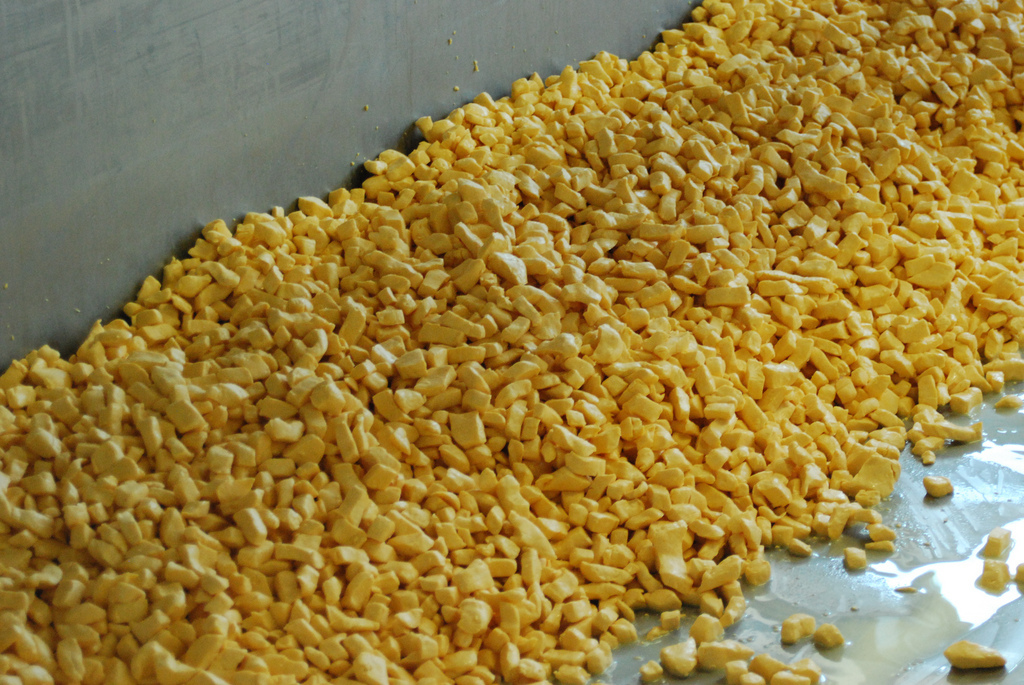
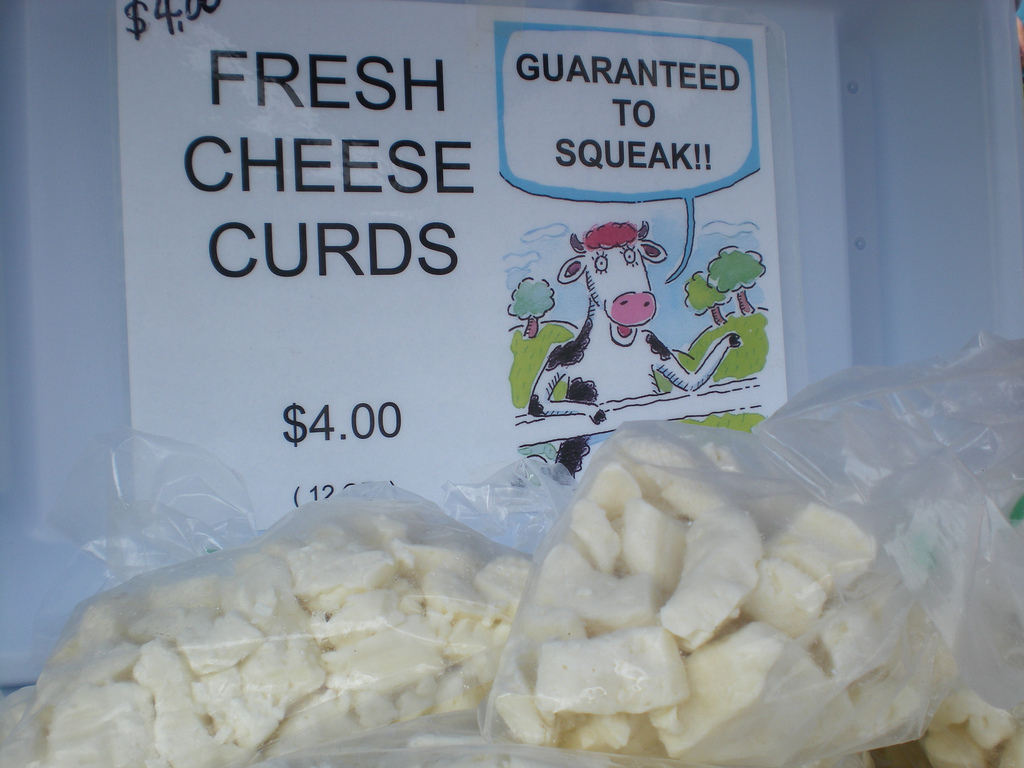
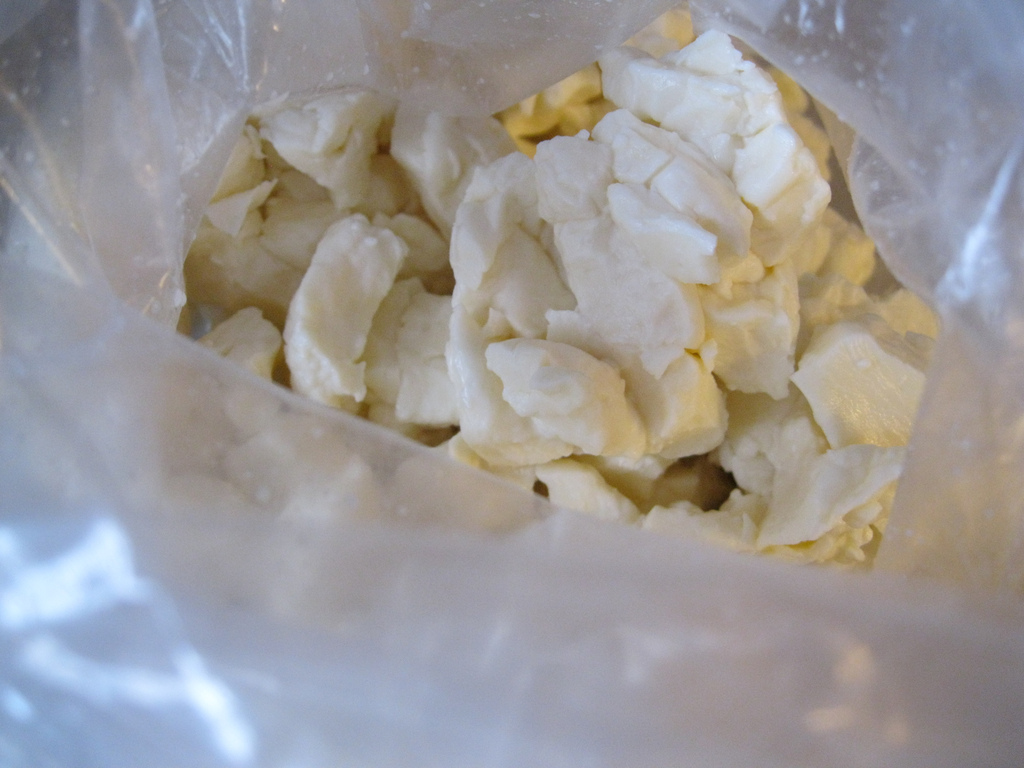
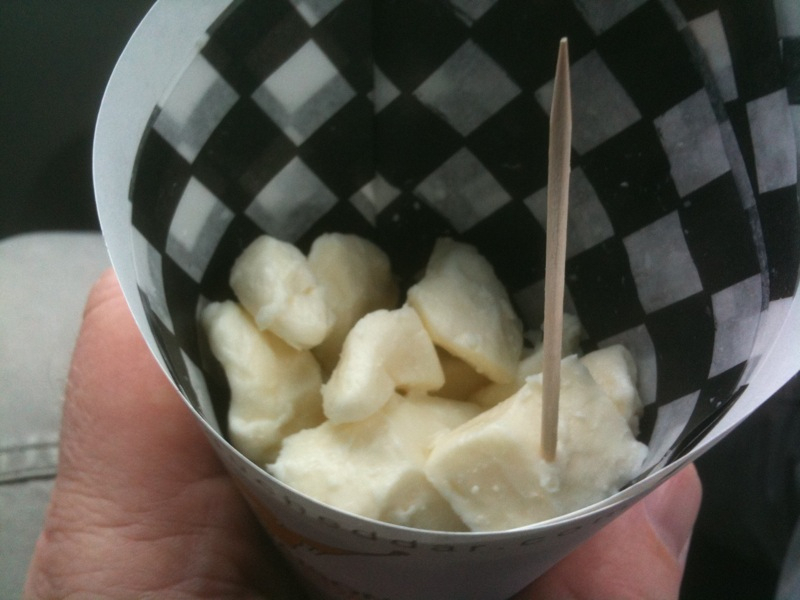
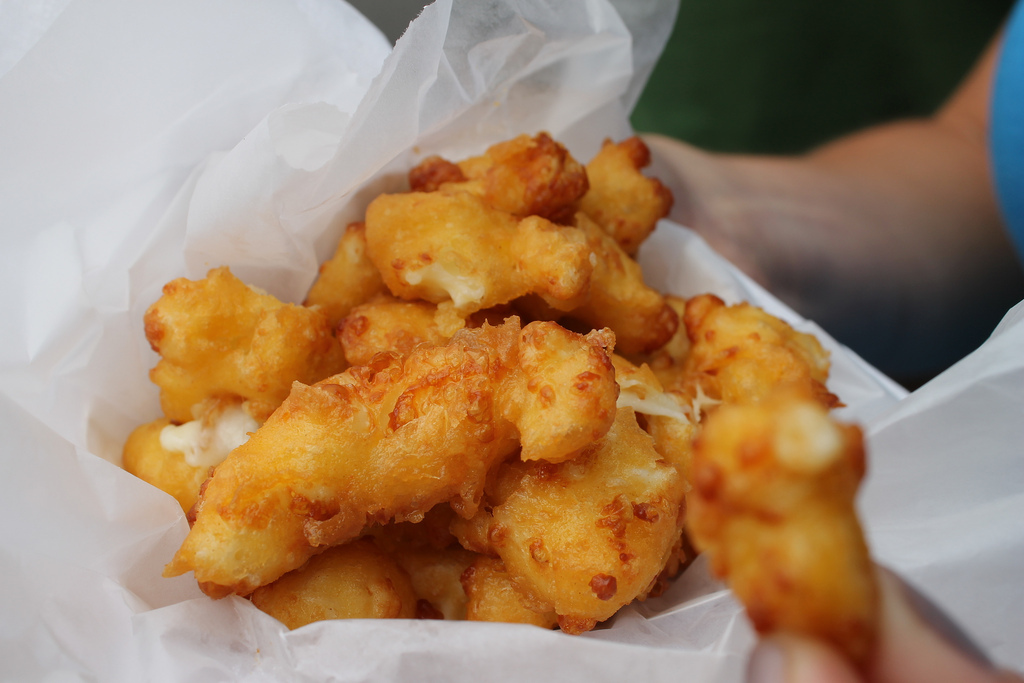
There’s nothing like a 4-year-old cheddar to remind us of how very great cheese can be. It’s creamy; it’s sharp; and it’s downright addictive. But as great as aged cheddars are, their polar opposite — which go by the mildly unappetizing name of cheese curd — are equally delicious yet a thousand times harder to find.
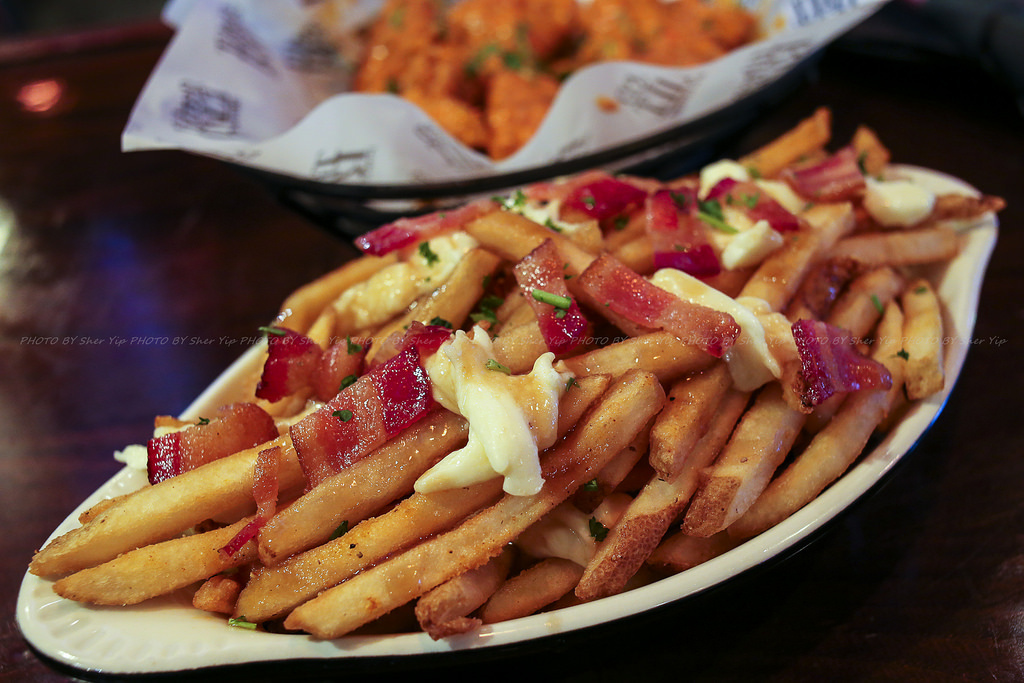
If you have the good fortune of being from Wisconsin, have indulged in Canada’s famous poutine, or have just sought these curds out on your own then we don’t have to educate you on the wonders of this food. BUT, if hearing the words “cheese curd” causes you to wrinkle your nose instead of making you hungry, you need to read on. Because, folks, you are seriously missing out.
Cheese curds are what your mouth has been missing all this time. And you might want to head to the nearest cheese maker to remedy that, like, stat. But first, here’s what you need to know.
Pecorino Romano: A Classic Italian Sheep’s Milk Cheese

There are two types of sheep’s milk cheese known as Pecorino in Italy. The word pecorino without a modifier applies to a delicate, slightly nutty cheese that’s mild when young, and becomes firmer and sharper with age, while gaining a flaky texture. It’s not suited for grating, and though it can be used as an ingredient, it’s best on its own, in a platter of cheeses or at the end of a meal, perhaps with a succulent pear.
Much of this kind of pecorino is made either on the island of Sardegna, or in Tuscany, by Sardinian shepherds who came to the mainland in the ’50s and ’60s, and as a result is generally labeled pecorino sardo or pecorino toscano.
Then there’s Pecorino Romano, which is saltier and firmer; it’s an excellent grating cheese, and also works well as an ingredient because it doesn’t melt into strings when it’s cooked.
In its milder renditions it’s also a nice addition to a cheese platter or with fruit, especially pears, while a chunk with a piece of crusty bread and a glass of red wine is a fine snack.
Though one might expect Pecorino Romano to be made around Rome, and perhaps in the Alban Hills, its production area is considerably wider, extending into southern Tuscany and also Sardegna, which is where the Consorzio per la Tutela del Formaggio Pecorino Romano, the organization that oversees the production of Pecorino Romano, has its offices.

Why would the organization overseeing the production of a Roman cheese have its offices in Sardegna?
To begin with, Romano doesn’t refer to Rome, the city, but to the Romans, who were already making this cheese 2000 years ago; Lucio Moderato Columella, who wrote De Re Rustica, one of the most important Roman agricultural treatises, says, “the milk is usually curdled with lamb or kid rennet, though one can use wild thistle blossoms, càrtame, or fig sap.
The milk bucket, when it is filled, must be kept warm, though it mustn’t be set by the fire, as some would, nor must it be set too far from it, and as soon as the curds form they must be transferred to baskets or molds: Indeed, it’s essential that the whey be drained off and separated from the solid matter immediately.
It is for this reason that the farmers don’t wait for the whey to drain away a drop at a time, but put a weight on the cheese as soon as it has firmed up, thus driving out the rest of the whey. When the cheese is removed from the baskets or molds, it must be placed in a cool dark place lest it spoil, on perfectly clean boards, covered with salt to draw out its acidic fluids.”
Though modern cheese makers use heaters rather than the fireplace, and use calibrated molds rather than baskets, the basic process is unchanged; the curds are heated to 45-48 C (113-118 F), the curds are turned out into molds and pressed, and the cheeses are then salted for 80-100 days: For the first few days they are turned and rubbed with coarse salt daily, then every 3-4 days, and finally weekly. The cheeses are then aged on pine boards for 5 months prior to release. The technique is very distinctive and imparts a characteristic salty sharpness to the cheese. Of course cheese comes from milk, and it’s important too; Pecorino Romano isn’t simply made from sheep’s milk, but from the milk of sheep that have grazed pastures with specific combinations of grasses that impart specific flavors to their milk.
And this brings us back to why Pecorino Romano is made in the Tuscan Maremma and Sardegna as well as around Rome. As I said, its flavor is quite distinctive, and it’s an important ingredient in many south Italian dishes. Those who left the south to seek better fortune abroad during the last decades of the 1800s and the early 1900s were forced to leave almost everything behind, but not their tastes: As soon as they settled they began to cook, and one of the ingredients they needed most was Pecorino Romano. There was no way to make it locally (different climate and forage means a different cheese, even if the production technique is the same), but what was made in Lazio kept very well — Columella remarked on this too, and because of its keeping qualities legionnaires on the march were issued an ounce of Pecorino a day to add to their porridge — so the immigrants ordered it: By 1911 7,500 tons were being sent annually to North America alone.
The cheese makers couldn’t meet this demand with the flocks in Lazio — not all pastures give the proper milk — so they searched elsewhere for pastures that would work, finding them in southern Tuscany and Sardegna.
Currently about 20,000 tons of Pecorino Romano are exported every year, 90% of which to North America.
Pecorino Romano is an excellent source of calcium, and indeed Roman wet nurses were traditionally given Pecorino to enhance their milk. It’s also a good source of phosphorous, potassium, and magnesium, and a good source of protein — a chunk of Romano is about 25% protein. It’s also 31% fat, and though this is significant, people on diets often use it to flavor their foods because a little goes a long way.
Purchasing:
Forms of Pecorino Romano are barrel-shaped and weigh between 40 and 95 pounds (18-40 kg); before release the cheese is marked with a sheep’s head inside a diamond and the rind is stamped with dotted letters spelling out “PECORINO ROMANO.” Given their size, you won’t want to buy a whole cheese, but rather a wedge; if you can, select one from the middle of the form, which will not have the bottom rind. The body of the cheese should be white with faint straw yellow overtones, and break with what the Consorzio describes as a “granitic aspect;” it shouldn’t look too dry.
When you get it home, store it in the cheese box in your refrigerator, wrapped in either plastic or aluminum foil to keep it from drying out.
Make Shisler’s Cheese House your next stop for your own helping of Pecorino Romano!
Muenster Cheese: In A League Of Its Own

It’s a dilemma many families face. The grownups want a cheese with character, flavor, and “bar-none” quality… while the kids’ idea of excellence comes in plastic-wrapped slices of questionable origin. We have a solution: Next time family grilled cheese night rolls around, reach for a cheese that everyone will love for all the right reasons. It’s mild, mellow, melts like a champ, and is actually cheese. The kids will even love its name: Muenster.
Muenster Cheese History: Where Did It Come From?
For starters, Muenster is almost nothing like Munster (or Munster-géromé) cheese from France. It also has nothing to do with the Irish province of Munster or the German city of Münster, although Muenster would seem to be an Anglicized version of the German name. Here, then is a little Muenster cheese history:
The French Munster cheese comes from Alsace, that very German region of France that has changed hands between the two countries for centuries. (The German city of Münster is just across the Rhine in Westphalia, so maybe there’s more of a connection than is believed.) It is a washed-rind cheese on the order of Limburger, first made by Benedictine monks as a way to preserve milk. While Munster doesn’t have the overpowering smell of Limburger, it is a strong-tasting semi-soft cheese with a red-orange rind caused by the bacteria that give it its distinctive flavor.
French immigrants in the 19th century first figured out how to make Muenster cheese in Wisconsin. It’s likely that they were trying to imitate the French Munster, as the American version has the same semi-soft texture; however, its distinctive red-orange rind (if present) gets its color from annatto, the same natural vegetable dye that gives many Cheddars the familiar orange hue. And the Wisconsin version tastes nothing like the Alsatian original; because it does not go through the rind-washing and aging process, its flavor is very mellow with a pleasing tang, somewhat like a Monterey Jack. Because it truly has its own identity, Muenster may be considered one of the truly great original American cheeses.
Muenster Cheese Pronunciation
Muenster is pronounced either like “munster” (with a short u like bun) or “moonster” (with a short oo like book). Young children may think it’s cool to call it “monster”…and with its orange rind it’s a nice addition to a Halloween platter.
Muenster Cheese Uses
The smooth, mellow taste of Muenster is extremely versatile and adaptable to many dishes, so naturally, there’s no shortage of Muenster cheese recipes. Slice it for hot or cold sandwiches—it goes with any cold cuts—or cut it in cubes for a cheese tray.
Because it melts so wonderfully, with the perfect elasticity, Muenster is one of the finest additions to grilled cheese recipes. And those same characteristics—along with its food-friendly flavor that complements a wide variety of toppings—make it one of the best cheeses for cheeseburgers.
Muenster Cheese Pairings
Wine:
Muenster pairs well with a variety of reds (pinot noir, Beaujolais, merlot, zinfandel) and dry to sweet whites (chardonnay, pinot gris/pinot grigio, riesling, grüner veltliner).
Beer:
Belgian ales, brown and pale ales, lagers (including pilsners), and dark porters and stouts all go well with Muenster.
Meats:
Beef, poultry
Fruits:
Apples, dried fruits, grapes, pears
Make sure to put Shisler’s Cheese House on your agenda so you can pick up some your own Muenster Cheese today!
Baby Swiss: A Delicately and Deliciously Crafted Cheese
As many know, there truly is no “Swiss Cheese” in Switzerland. In Switzerland, they make a variety of “Alpine” cheeses, with some having large holes. The most notable of these cheese is Emmentaler.  During the late 19th and early 20th centuries, many of the Swiss cheese makers began to move to Wisconsin and settled in the “Dairy Belt” of Green and Dodge Counties. Originally, they made large wheels of cheese (3 feet wide, 125 pounds) patterned after the Emmentaler of Switzerland. Naturally, these became known as ‘Swiss Cheese.’
As the trend changed to larger cheese factories, a broader market and wider distribution, the call for a smaller cheese with milder flavor began to arise. This was soon addressed with the development of this much smaller cheese made with full fat milk that was aged only a few months. Although this new cheese was not that small at 5 lbs, compared to the much larger Emmentaler cheese, it is truly a baby.
A bit of history:
 The driving forces in Baby Swiss evolving into a true “made in America” style cheese, were two Wisconsin cheese makers.
They were Eldore Hanni and Alfred Guggisberg, who were both of Swiss background (as can be seen by their names here).
Eldore was second generation Swiss, living in the heart of dairy country in Wisconsin, where much of the cheese making was of Swiss and German influence. Alfred moved to Pennsylvania from his home country- Switzerland.
Alfred  Guggisberg was only 16 when he began to make cheese in the mountain pastures of Switzerland (the Alps). He furthered those skills at the famous Swiss cheese maker’s institute before coming to the United States in 1947. Here, he settled in the Doughty Valley in Charm, Ohio to work with the Amish farmers as a cheese maker. By the 1960’s, Alfred had developed a new style of cheese, which became the Baby Swiss cheese (1968). This was patterned after the Emmentaler of his homeland, but was much smaller and made with a richer milk. His focus in doing this was to develop a milder flavor for the American palate. Today, the Guggisberg cheese company is still thriving.
Eldore Hanni was a second-generation Swiss immigrant, who began making specialty cheese as a teenager (he managed a cheese factory at the age of 17). His strength was developing new recipes and in the early 1970’s, Eldore began working on a recipe for Baby Swiss. Later in the 70’s, he moved to the Amish area of central Pennsylvania to establish his new dairy and work with the milk of the Amish farmers. This eventually became Penn Cheese which flourishes to this day, although Eldore has retired.
There was a similar and parallel evolution for both men in developing this cheese. It resulted in a cheese with smaller holes and a creamier flavor from the use of full fat milk. It did not need to age as long and hence had a milder flavor.
What is a Baby Swiss:
In Switzerland, there is no ‘Swiss’ cheese, because there is a wide range of Gruyere and Emmentaler style cheese. Essentially, these can be divide into those with or without holes. In America, we call anything with holes Swiss Cheese. Most of these have origins in the dairy counties of Wisconsin, where many German and Swiss immigrants settled with their cheese making skills.
 The “true” Swiss cheese is Emmentaler (never called Swiss), a cheese made in Switzerland under an Appellation of Controlled Origin to ensure that the integrity of the cheese is maintained. The technique, however, has been duplicated in numerous nations, leading to generic “Swiss” cheese for sale in many nations.
But this is a Baby Swiss Cheese…
The flavor of ‘Baby Swiss’ cheese is buttery, nutty, and creamy. The cheese melts very well, making it suitable for a wide range of dishes. The small holes also make the cheese easier to work with, since especially large holes can pose problems in salads and other dishes which involve slices of the cheese. Some delis also label baby Swiss cheese as ‘Lacy Swiss,’ since the cheese looks like fine lace, but those are actually made from a lower fat milk.
How is this cheese made:
This is a cow’s milk cheese made with a mixture of bacteria. Besides the normal lactose converting bacteria, it contains another special propionic bacteria that breaks down the lactic acid in the cheese and generates carbon dioxide, which forms bubbles in the cheese as it ages. This is quite similar to bread dough rising but takes much longer.
The longer the cheese is allowed to age, the more complex the flavor gets, and the larger the holes will become.
One of the primary steps in making this style of cheese is a very slow conversion of lactose to lactic acid.
This is accomplished by:
- Controlling the amount of culture and ripening time.
- Removing whey and replacing with warm water early in the process to limit the culture’s food supply (lactose).
 This will result in the very elastic curd structure, and functions to hold the gas in the cheese as the holes develop. This is most obvious in the finished cheese, with round glossy looking holes and the elastic ability to bend the cheese slices without it breaking.
To make ‘Baby Swiss’ cheese, several things about the cheese making process are altered from traditional ‘Swiss:’
- The cheese is made with whole milk, for a richer, buttery flavor.
- It is usually a much smaller wheel of cheese, about 5 pounds.
- The use of a Mesophilic rather than a Thermophilic culture is used.
- The milk may also be cut with water, which slows the bacterial activity.
- Most importantly, Baby Swiss cheese is aged for a very short period of time, so that the holes do not have time to grow very large. The shorter curing time also results in a more mild flavor, which some consumers prefer.
Be sure to stop by Shisler’s Cheese House and pick up some Baby Swiss Cheese on your next stop!
Raclette: The Perfect Melting Cheese

Raclette is very popular in Europe, especially in the Swiss Alps and other ski regions. And that’s where it’s said Raclette came from.
While Switzerland supplies 80% of Raclettes, French Raclettes are slightly softer with a smooth and creamy flavour. Raclette is also the name of a Swiss dish where the cheese is melted in front of a fire or a special machine and the melted parts are scraped onto diner’s plates. It is then served with small potatoes, gherkins, pickled onions and air-dried meat called Viande des Grisons. Raclette comes in round and square shapes and can be served with Vin de Savoie.
Today, few houses have an open fireplace, so to simulate the process we now have Raclette Melter that hold a block or half wheel of cheese under a heating element. Once melted, the cheese is being scraped off onto the prepared potatoes.
Another variety is a Raclette Grill, which allows melting individual portions of cheese and offers a grill top to serve grilled vegetables, meat, chicken, or fish with the cheese. Many of these models come with a reversible grill top that can be used to make crepes or pancakes. And yet another variety can be converted into a mini pizza oven.
A Traditional Raclette Recipe
This simple raclette recipe should be the first you try on your raclette grill or raclette melter. Serves 4
- 8 small/medium potatoes
- 1.5 lb. Raclette Cheese
- Buendnerfleisch (cut in paper-thin slices)
- 1 jar pickled gherkin cucumbers (cornichons)
- 1 jar pickled onions
- freshly ground pepper
- paprika
Wash potatoes and, with skins on, boil in a pot filled with salted water for about 20 min. Test with a knife if the potatoes are done. Keep warm until ready to use in an insulated potato basket. In the meantime remove the rind of the cheese and cut into 1/16″ thick slices using a adjustable wire slicer. Arrange gherkins, onions, and Buendnerfleisch on a platter and set aside until required. Turn raclette on to begin to heat up (allow for at least 5 minutes before using). For raclette grills: Each guest takes a slice of cheese, places it in their pan and slides it under the raclette grill to melt. It takes approximately 2 minutes to melt to a creamy consistency and 3 minutes for a more crispier top. In the meantime take a potato, place onto your plate and cut it into a few pieces, remove the pan from under the grill once it’s reached its preferred consistency and hold the pan onto its side to scrape the cheese out, using your wooden spatula. For raclette melter, each guest prepares potatoes and side dishes on their plates. When the cheese starts melting on the wheel, scrape the cheese onto the plate. Season to taste with freshly ground pepper and paprika. Pair Grand Cru Raclette with Pinot Grigio, Fendant, a Swiss white wine, or a light, fruity red wine, such as Beaujolais.
Let Shisler’s Cheese House help you make your next memorable melt experience with our supply of Raclette Cheese!
Manchego Cheese: A True Taste of Spain

If you go to the La Mancha region in central Spain, home to the famous Don Quixote, you’ll have the pleasure of tasting queso Manchego, or Manchego cheese. Of course, you can sample this cheese in other parts of the country, and even abroad, but there is nothing like nibbling on the real thing in the land of its origin.
This cheese, which is made from sheep’s milk, and aged no less than 60 days, has got a lot of history behind it. Archeological digs have turned up evidence suggesting that this very unique cheese was being made well before the time of Christ. One of the main purposes of making cheese in the past was to persevere the milk and the health benefits derived from dairy, since refrigeration wasn’t available at the time.
These days, only very special ewes (female sheep) are used in the Manchego cheese making process. The queso is actually protected by the Spanish Government with a ‘Denominación de Origen,’ which means only certain cheeses can be labeled as Manchego cheese. For this tasty and buttery cheese to be called ‘Manchego,’ it has to come from La Mancha. Only the fatty milk from authentic Manchega ewes, which are descended from sheep that have been roaming these lands for centuries, can be used to create the cheese. And the cheese itself must be aged in local caves.
The technical cheese making process consists of milking the ewes by hand, and then putting the milk in curdling vats, where natural curdling enzymes are added to the mix. Then the cheese curd is sliced up into tiny bits and aged. If you ask any of the locals what is the most important aspect in making Manchego cheese, you’re sure to get different answers, but aging the cheese, and the special nature of Manchega ewes will be sure to top the list.
If all of the above requirements are met, you still have a choice between classic Manchego cheese that comes from unpasteurized milk, and the kind that comes from pasteurized milk. In addition to these basic distinctions, you can also select quesos of different ages. Manchego cheese is well-known for its creamy texture, but the flavor varies between the semi-cured Manchego Curado and the richer Manchego Viejo. There is even a fresh cheese, Manchego Fresco, you can buy and sample before it has completed the aging process. The best thing for you to do is to head to La Mancha and try all of these wonderful cheeses for yourself.
PURE PROTEIN
 We all know that a good cheese is a very complete food, a real concentrate of all the fine nutritional qualities of milk.
Today I found out that Manchego cheese actually has such a high proportion of proteins that is in fact even richer in proteins than meat! That’s great news for all the veggies out there.
Proteins are the building blocks of life. The body needs protein to repair cells and make new ones. Furthermore, protein is also important for growth and development during childhood, adolescence, and pregnancy (and Manchego is a safe cheese for a preggo to eat!).
So now you know, next time you fancy some Manchego, stop feeling guilty about it. Yes, it might be rich in calories, but it’s good for you too!
LOW IN LACTOSE
 According to recent studies, more than 40 Million Americans are lactose intolerant.
Like all hard cheeses, Manchego is naturally low in lactose. Additionally, being made with sheep’s milk – which has a lower percentage of lactose than cow’s milk – makes it more suitable for sensitive stomachs.
Furthermore, as the longer a cheese is aged the less lactose it has, and Manchego can be aged for up to 2 years, lactic sensitive people have the perfect alibi to reach for the most exquisite of all Manchegos: the most aged ones.
THOUSANDS OF YEARS IN THE MAKING
Manchego is one of the world’s cheeses with the most valuable history and heritage. That’s a well-known fact.
But, did you know that Pre-Historic men and women already enjoyed the pleasures of fine Manchego cheese?
Yes, as locals tell it, archeological remains dating back to the Bronze age show that the inhabitants of La Mancha used to make a sheep’s milk cheese with the milk of a race of sheep that’s considered the ancestor of our modern Manchega sheep. Weren’t they clever!
Of course, we don’t know what methods our ancestors used to make this natural product, but we could assume that their cheese tasted very much like ours, and that their cheesemaking methods were most probably similar too.
Next time you queue up to buy your Manchego think about those cave men & women who were already in the know. When a little pleasure survives the turn of so many centuries it must mean it’s worth passing it on!
HOW TO CUT MANCHEGO CHEESE
 Ok… so you bought a whole Manchego cheese. You are all excited about the great cheese you’ve got and can’t wait to start eating it.
Now you are home staring at the cheese and wondering what would be the best way to cut a wedge out of it without destroying the masterpiece.
Have you been there? If so, here’s how to do it properly in a few simple steps:
- Cut the cheese in two halves.
- Cut a wedge out of one the halves – You should only cut as much as you plan to eat.
- Take the bottom bit of rind off.
- Cut it into slices about 5mm (1/4”) thick.
- Serve – if possible – at room temperature. Manchego cheeses taste their best at 68°
Be sure to stop in at Shisler’s Cheese House and try some Manchego Cheese and enjoy a taste of Spain!
Jarlsberg: A Norwegian Experience And The Largest-Selling Imported Cheese In The US

Jarlsberg is often referred to as a type of Swiss or Baby Swiss cheese. It actually originated in Norway, but it’s a direct descendant of the great Swiss Emmentaler — the classic “Swiss” cheese with the large holes.
So, the story goes, Emmentaler cheese was introduced into Scandinavia around 1830, and within 20 years the Norwegians had adapted the recipe and were producing their own nutty, waxy, large-holed cheese in the county of Jarlsberg.
As the 20th century progressed, however, the holes started to disappear, even though the same manufacturing process was used. Food scientists finally figured out that the eyes and particular flavor of Emmental-style cheese were the result of a bacteria called propionibacterium, which was naturally present in the milk.
This particular bacteria eats away at lactic acid and produces carbon dioxide as the cheese ages, which forms the familiar air bubbles in the cheese. This would explain why neither Emmentaler nor Jarlsberg has a tangy taste.
As dairies began to be more concerned with sanitation and the milk began to undergo pasteurization, most of these bacteria were killed off, changing the nature of the cheese.
The modern version of Jarlsberg we find today was developed in the late 1950s at the Dairy Institute at the Agricultural University of Norway. This was a center of cheese research, and Jarlsberg was retooled to be a cross between Norwegian Gouda and Emmental, a smaller, softer, sweeter version of the Swiss mountain masterpiece.
The researchers began adding the propionibacterium back to the milk, selecting for a new strain that was compatible with the higher salt content of a Gouda.
Eventually they got it right, and Jarlsberg, by the pound, is the largest-selling imported cheese in the United States today. It is produced according to the very scientifically-controlled recipe in Norway, under license in Ohio (using the special bacterial culture shipped from Norway), and in Ireland by Diarygold.
Wheels of Jarlsberg cheeses are far smaller than Emmentaler, weighing about 22 pounds compared with Emmental’s 150-pound or larger wheels.
If you enjoy Jarlsberg, it is available online in light, 1-year aged, and smoked varieties.
Jarlsberg is available in most grocery cheese cases, is not terribly expensive, and is very suited to cooking. Anywhere you would use Swiss cheese, try Jarlsberg.
Jarlsberg-Potato Dippers
INGREDIENTS
1 Jarlsberg Lite cheese
1 cup instant potato flakes
½ teaspoon each black pepper and garlic powder
1 cup vegetable or chicken broth
DIRECTIONS
1) Preheat oven to 375°. Mix cheese with potato and seasonings; add broth and mix.
2) For lacy, crispy dippers, sprinkle mixture evenly on parchment-lined or (oil-sprayed) foil lining a 10×10-inch baking pan. Bake 25 minutes or until brown around the edges. Break into free-form pieces.
3) For a more solid, flexible dipper, spread mixture on parchment or foil, patting down for an even layer. Bake 35 minutes or until beginning to brown. Invert on wire rack, peel off parchment and return to pan to bake 10 minutes more. Cut into 2-inch squares. Serve with your favorite salsa. Makes 25 pieces.
Havarti: The Danish Cheese, not the Cheese Danish
When we think about Danish cheeses, we often think about Danish Blue, Esrom, Danbo… but, by far the most popular cheese that is exported from Denmark is Havarti.
Havarti is a semi-soft cheese, which has a creamy buttery flavor. It goes great on the cheese board with figs and sliced bread, or melted atop a sandwich. But, what else do we know about this cheese?
The Origins of Havarti
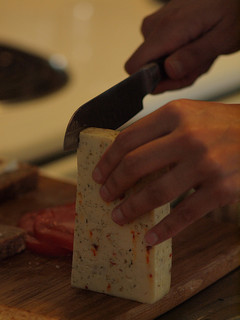
As noted above, Havarti is a Danish cheese; but the inspiration of this delicious treat comes from one woman’s travels around Europe during the mid 1800s. The commonly accepted story is that Hanne Nielsen was the wife of a New Zealand farmer that was extremely interested in learning about cheesemaking; and, in addition to traveling around Europe, learning different techniques, she set up a farm where she perfected her craft. The town where she set up her experimental farm, called Havarthigaard, is located north of Copenhagen; and, during the mid 1900s, became the source of Havarti’s name. (Source: Havarti Cheese Production and Uses)
What is Creamy Havarti?
Creamy Havarti (flødehavarti) is different from what would be considered the “original” Havarti, in that it is made with highly pasteurized milk, such that the whey proteins are not separated from the cheese curds; so, the end product is a lot richer and creamier.
The “original” Havarti is very similar to Swiss cheese in flavor and texture–but also, in that it is typically aged around 3 months. Creamy Havarti cannot be ripened for very long because the whey protein doesn’t age very well.
The Havarti Experience
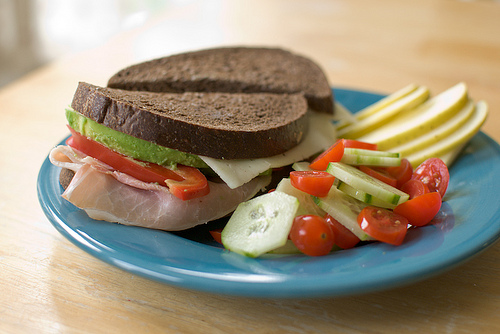
If you go to the supermarket, you will often find that there are many different kinds of Havarti. Much like chevre, this cheese is sold in varieties with fruits and/or herbs and spices, as well as original flavor. Some of the varieties you may find include cranberry, garlic, caraway, basil, coconut, and sour cream & chives; but, by far the most popular ones are dill, red pepper, and jalapeño.
Havarti is truly versatile. It is an excellent table cheese and is great on sandwiches and salads. It is a great melting cheese so, fondue and paninis should not be overlooked.
Looking for a great wine to pair with Havarti? It goes really well with just about any wine, but goes particularly well with sweet wines like Beaujolais and Riesling. If you’re going pick a red wine, try to keep with lighter-bodied wines.
Wrapping up
Havarti is certainly one of my favorite cheeses–and, I think it was one of the very first cheeses I tried when I started John Eats Cheese. If you’re looking to learn more about cheese or are looking for unintimidating cheese to start with on your journey of fromage exploration pick up some crackers and Creamy Havarti, and go to town.
Let us at Shisler’s Cheese House help you get your taste on with our supply of Havarti!

