Easter is a very important Christian festival in which we come together and celebrate the resurrection of Jesus Christ. While it has great religious significance, it can always be an exciting time of the year, celebrating by coloring and decorating Easter eggs, enjoying special Easter Baskets and eating our body weight in chocolate!
Here at Shisler’s Cheese house, we have the answers to all your Easter food needs! Be it a beautiful Easter basket unlike any other, or a tasty Chocolate Bunny, we have what you want!
Tired of the same old boring Easter gift baskets? Send unique Easter gift baskets from Shisler’s Cheese House this Easter Season and surprise those that are special to you. If you would like to use your own unique Easter Basket Ideas, we also have custom baskets available. Just give us a call or stop by at one of our Cheese Houses!
It is Easter Weekend this week! What better way to get us ready than explore the world’s favorite, traditional Easter dishes? You never know, you just might find some tasty ideas for your own Easter meal!
Image Source: jovinacooksitalian.com/tag/easter/
‘Rosquillas’ From Spain
A lot of Spaniards will enjoy these special treats at Easter. These donuts can either be baked or fried. They are made from fermented flour and depending on the region, they’re either dusted with sugar, flavored with rosemary or some even soaked in anise liqueur.
‘Hot Cross Buns’ From U.K.
No Easter in Britain would be complete without Hot Cross Buns. This sweet, spiced bun is marked with a cross and has been eaten for hundreds of years in tradition to Easter. Simmel cakes which are fruit cakes topped with marzipan are also popular during Easter and they are made to resemble the Apostles.
‘Mämmi’ From Finland
Mämmi is traditionally made with rye flour, water, and powdered malted rye. It is also seasoned using dark molasses, dried powdered Seville orange zest, and salt. The name for it in Swedish is Memma.
‘Chervil Soup’ From Germany
Germans traditionally eat green colored foods on Maundy Thursday because it is known as Gründonnerstag or “Green Thursday”. Because of this, Chervil soup is a popular choice.
‘Tsoureki’ From Greece
This bread is quite like brioche. It is flavored with essence drawn from the seed of wild cherries. It’s an Easter tradition mainly because it is often decorated with hard-boiled eggs that have been dyed red, to symbolize the blood of Christ.
‘Kulich’ From Orthodox Christian Countries
Many families from Orthodox Christian Countries such as Georgia, Russia, and Bulgaria, are known to bake the Kulich cake during Easter time. Kulich is baked in a tall tin and is decorated with white icing and colorful sprinkles. The cake is also often blessed by a priest after and Easter service.
‘Påskeøl’ From Denmark
This may not be a dish as such but can easily accompany a great Easter dish because in Denmark, this is a special beer during Easter. It is slightly stronger than regular beer too!
‘Pashka’ From Russia
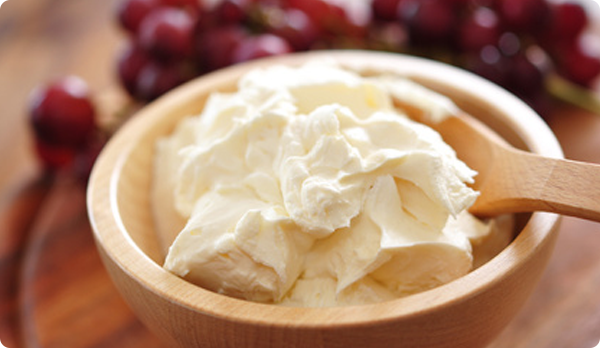
This dessert is in the shape of a pyramid, and for all us cheese lovers, it is made out of cheese! This particular dessert is traditionally served during Easter time in Russia. It is often decorated with the religious symbols ‘XB’, which are from “Christos Voskres”, which translates to “Christ has Risen”.
‘Pinca’ From Eastern Europe
Pinca is similar to a large hot cross bun. It is a sweet bread marked with the sign of the cross and is commonly eaten in Slovenia and Croatia to celebrate the end of Lent. In some areas of Italy, it is also enjoyed.
‘Paçoca De Amendoim’ From Brazil
This tasty Brazilian treat is often served in honor of the Easter festival in Brazil. It is made from peanuts, cassava flour, and sugar.
‘Capirotada’ From Mexico
Capirotada is a spiced Mexican bread pudding which is filled with cinnamon, raisins, cloves and cheese. It is popular during Easter and is said to that each ingredient carries a reminder of the suffering of Christ. The cloves resemble the nails on the cross, the cinnamon as the wooden cross itself and the bread as the Body of Christ.
‘Colomba Di Pasqua’ From Italy
Colomba Di Pasqua is very similar in taste to the Italian Christmas bread ‘Panettone’. This cake is candied peel stuffed and is often shaped like a dove for religious symbolism.
‘Mona De Pascua’ From Spain
This popular Easter cake is traditionally cooked in many regions of Spain during Holy Week (Semana Santa). This cake traditionally is what looks to be a large donut which is topped with a hardboiled egg.
Got leftover wine from a dinner party or special occasion? It may daunt you the thought of drinking that bottle alone but you really don’t want to throw it away. Well, do not worry! The Italians have an amazing use for leftover wine: bake with it!
Image Source: drizly.com/blog//
Gather some of the ingredients you already have in your pantry and use your leftover wine alongside it to make these simple but tasty Italian wine cookies.
These cookies originally came from the south of Rome, having a long history of being passed down through generations. It is quite a basic recipe, the dough being quite simple, to suit any Roman family, rich or poor. All they needed were wine, sugar, oil, salt and flour.
Another plus to this recipe aside from using up your leftover wine is that it works with any kind of dry wine, red or white, the only difference will be in flavor, but only slight.
These cookies aren’t full of sugar either, so if you’re on a health kick, they won’t be too bad! They’re donut-shaped and are more like biscuits. You can enjoy them as a snack or dip them in milk or coffee, as the Italians would do.
1/2 cup dry white or red wine
1/2 cup seed or canola oil
1/2 cup sugar
1/4 teaspoon salt
2 cups all-purpose flour
What To Do
1. Preheat oven to 350 degrees
2. Mix wine, oil, sugar, and salt in a mixing bowl
3. Add the flour gradually, while stirring to combine until it forms into a dough and starts to hold its shape. Knead with hands if needed.
4. Roll 1/2-inch balls of the dough into a snake-shaped cylinder and then connect the ends, making a donut shape.
5. (Optional) You can then dip or sprinkle with extra sugar if you want them to be sweeter.
6. Place the cookies on an ungreased baking sheet and bake for 20-25 minutes, or until lightly browned.
Going out can be a great time, but it is often not without a lot of stress beforehand. Whether you are hosting a big dinner party, or just having a kick back with a few friends, there is always a certain dilemma that occurs at these events: what wine to drink? There are a huge variety of wines and a huge variety of tastes between friends.
It would be quite difficult and not efficient to get everyone their own bottle of wine or to resort to ordering by the glass. In fact, your wallet, in particular, will thank you for not doing this. For every problem, there usually lies a happy medium, and with you about to be the problem-solving hero of the night, you definitely deserve the first glass!
Some of the most common wine dilemmas and actual solutions to save your night!:
Some Want White Wine, Some Want Red Wine
The perfect medium, in not only color but taste as well, would be Rich Rosé or light, chilled red.
This is one of the simplest answers because mixing white and red anyway would ultimately end up that pretty pink color that Rosé is. The key is to search for a Rich flavored Rosé so that it still contains the flavor and intensity that red wine lovers prefer.
However, if some are strict Rosé naysayers, a safe alternative would be a light red wine which is chilled. While red wine lovers will enjoy the familiar flavors, the white wine lovers will enjoy that fresh acidity and drinkability that cooler temperatures enhance.
Image Source: Assets wine
Some Want Dry Wine, Some Want Sweet Wine
A dry but fruity white wine will create the best of both worlds for both parties.
This is one of the most common dilemmas that shows up at outings. The perfect solution. While the wine remains dry, the fruity flavors give the sweet flavors that are wanted by the other side. Usually, sweet lovers don’t want a wine with residual sugar; they just want a wine that is fruity anyway.
Some Want Oaky Chardonnay, Some Want Clean Pinot Grigio
A solution to this would be rich white wine with fresh acidity and fruit.
Now these two wines may not have anything in common, but the solution falls somewhere in the middle: whites that are rich in body, sometimes with a bit of oak, however still with fresh flavors and plenty of acidities.
Some Want Light Red Wine, Some Want Heavy Red Wine
Solution Number 1 would be a full-bodied red wine with high acidity
Acidity in wine is a hidden gem that makes everything seem lighter and brighter than it actually is. It is a great way to bridge the gap between light-bodied wines and full-bodied wines. This magic makes a 15 percent ABV wine to seem light in body, purely because of acidity.
Solution Number 2 would be a full-bodied red wine with low tannin
Now if you’re not a fan of high acidity wines, another solution would be low-tannin red wine. Light bodied wine lovers usually crave the drinkability of their favorite reds, but full-bodied wines can be just as smooth and easy drinking. The key to finding this is by avoiding overly tannic wines, as they can seem quite coarse and bitter, especially to wine lovers who are used to lighter red wines.
See? There is a happy medium for almost everything, especially wine selection! This is because of the vast variety of wine that is actually out there. You just have to give them a chance!
Our fantastic Cheese House originally opened in 1958. Since then, we have come a long way and perfected our cheese to a high standard. The 2 main goals of our Cheese House have always been to provide wonderful local cheeses and gourmet foods to everyone, along with exceptional and friendly customer service.
We are currently owned and operated by the third generation of Shislers. We have 2 locations, the original being in Orrville, OH and the second being in Copley, OH. Because of our dedication of cheese and gourmet foods, we ship all throughout the United States and to over 30 different countries!
We have a wide selection of cheese, to your staple cheeses such as American Cheese and Swiss, to our more specialized, unique blends which we would love for you to try!
Here are some of our specialty cheeses:
Hot Pepper Cheese
Want to spice up your cheese plates? We have just the right cheese for the job! Our Hot Pepper Cheese has just the right amount of heat to make a perfect balance of flavor with a little extra kick! You have to try it to believe it!
Green Onion Cheese
We love to support local businesses and that doesn’t change when it comes to our cheese! Our Green Onion Cheese is made with all-natural 100% Ohio farm milk and real green onion. It contains no artificial growth hormones and is pasteurized processed cheese.
Bacon Cheese
Everyone loves bacon! Bacon and cheese make many appearances together in well-known dishes such as Chicken, Bacon Pasta Bakes, Salads, Casseroles and much more. It only made sense to make a Bacon Cheese! This cheese is mild orange cheddar which is infused with smoked bacon.
Beer Cheese
Beer Cheese is one of our Wisconsin Cheeses along with Brick, Muenster, Limburger and our American Cheeses. Our Beer Cheese is not to be mistaken for the popular Beer Cheese dips of Kentucky, it is a semi-soft combination of Limburger and Brick Cheese. The taste and smell are very strong and can be enjoyed with a nice cold glass of beer.
Chocolate Cheese
This cheese is one way to get the best of both worlds! Our Chocolate Cheese is made from a local recipe and all the ingredients are locally produced, combining fine chocolate fudge with premium cream cheese. This makes for a smooth, creamy balance of sweet chocolate and mild cheese!
These 5 kinds of cheeses are must try cheeses! Don’t hesitate, trust our family of cheese experts at Shisler’s Cheese House, and you won’t regret it!
Order your quality, affordable, delicious cheeses today at-https://cheesehouse.com/cheese.aspx
Chocolate is one of the world’s greatest comfort foods, it is the go to when life takes a bad turn, an easy gift for just about anyone, a satisfying, addicting treat that uplifts our moods.
Now too much of anything is never good for us, but there’s a whole list of the medically proven ways that chocolate, dark in particular is really good for us.
Even though research is ongoing, experts have already found a whole host of benefits such as chocolate being good for the brain, heart, and circulation. It has also been suggested that chocolate can be beneficial to major conditions such as obesity, diabetes, and autism.
With Easter just around the corner, and all that chocolate awaiting us, let’s explore 10 convincing reasons as to why you should eat MORE chocolate!
A study in Finland says that the stress of expectant can be reduced through consuming chocolate which is subsequently a lot better for a pregnancy. The study also found that babies of mothers who consumed chocolate during pregnancy smiled a lot more than babies who were from non-chocolate-eating parents.
Studies in Finland, in particular, have found through testing that the consumption of chocolate lowers the risk of suffering from a stroke. The researchers found that a staggering 17 per cent average of men in the group they tested had a lower risk after consuming chocolate during the study.
High consumptions of cocoa have been found to reduce the levels of ‘bad’ cholesterol and actually raise the levels of ‘good’ cholesterol. This ultimately can potentially reduce the risk of health issues such as cardiovascular disease.
The flavanols in dark chocolate are thought to reduce memory loss in elderly people. Dark chocolate has also been found to be beneficial in treating brain injuries like concussions, because of the anti-inflammatory qualities it contains.
Dark Chocolate is full of minerals which are extremely beneficial to us. Minerals such as zinc, selenium, and potassium are in bars of dark chocolate which have a percent of cocoa over 70. The 100g bars of dark chocolate also provide 67 percent of the RDA of Iron.
Everyone can relate to chocolate making them feel better. This is actually because chocolate contains phenylethylamine (PEA), which is a chemical that encourages your brain to release feel-good endorphins, quite like when you’re falling in love.
A study has found that dark chocolate can actually help to restore the flexibility of arteries, while white blood cells are also being prevented from sticking to the walls of blood vessels- both in which are common causes of artery clogging.
It is true! Chocolate can actually help you lose weight! A neuroscientist Will Clower says that if you consume a small square of chocolate melted on the tongue 20 minutes before a meal triggers the hormones in the brain that tell you you’re ‘full’, which ultimately cuts down the food you consume during the meal. If you finish the meal eating a small chocolate can subsequently trigger snacking, so beware!
It may sound a little backward, but cocoa has actually been shown to improve insulin sensitivity. So in turn, dark chocolate which is high in cocoa, if eaten in moderation, may be able to delay or prevent the onset of diabetes.
It’s always a shame when we discover our food has gone to waste because of mold. While mold is usually a sign that it’s time to discard something, it’s not as clear exactly what to do when it comes to cheese. Here is a guide which will help you differentiate which cheese is ‘good’ and which is ‘bad’ when mold takes place.
Now there are very clear types of cheeses that must be discarded when mold occurs- soft cheese like cream cheese, cottage cheese, and ricotta cheese. Also, cheese that is shredded, sliced or crumbled should be discarded when mold appears. With these kinds of cheeses, the mold can send threads all throughout the cheese. Harmful bacteria such as salmonella, e.coli, listeria, and brucella can also grow throughout the cheese. So stay clear of any consumption if these cheeses have mold.
There is still hope for cheese with mold, though. Mold usually can’t penetrate far into hard and semisoft cheeses, like cheddar, parmesan, swiss and Colby. So it is easy to just cut the mold away from the cheese and eat the rest. It is safe practice to cut at least an inch around and below the mold to be safe, and do not contaminate the rest of the cheese by touching it with the knife.
It is true that not all molds pose a risk. Some types of mold are actually used to make cheeses, such as Camembert and Brie. These are safe molds to eat.
Whether or not you should eat the mold generally relies upon what type of cheese it is. It’s usually quite easy to differentiate between, but if you find yourself unsure, it is best to discard the cheese, just to be safe.
The study involved middle-aged participants being asked to eat bread made from 85% barley for breakfast, lunch, and dinner. Around 11-14 hours after the last meal of that day, they were then examined for diabetes and cardiovascular disease risk indicators.
It found that a special mix of dietary fibers improved the person’s metabolism for up to 14 hours. Not only that, but it also decreased the blood sugar and insulin levels, making insulin sensitivity increased, it also increased appetite control. The bread was also found to help regulate the growth of healthy gut bacteria.
So now we know all the benefits to this delicious bread, spice up your meal times with this Barley Bread Recipe, while also keeping it healthy:
– 10 ounces barley flour
– 1 teaspoon kosher salt
– 1-ounce baking powder
– 2 tablespoons honey
– 1/4 cup canola oil, plus extra for greasing the pan
– 2 eggs
– 1 cup whole milk
First, preheat the gas grill on low heat for at least 10 minutes
Then, lightly grease the sides and bottom of a 4 to 5-quart dutch oven with canola oil.
In a mixing bowl, mix together the flour, salt, and baking powder. Then in another mixing bowl, whisk together the honey, oil, eggs and milk. Add the wet and dry mixed ingredients together.
Pour the batter into the dutch oven, not covering with a lid. Then place the dutch oven on the grill and close the lid of the grill.
Cook with the lid closed for 35-40 minutes, or until the internal temperature reaches 190 degrees F.
Allow to cool off in the dutch oven for at least 5 minutes before putting on a cooling rack.
If you are baking in a traditional oven, bake at 350 degrees F for 25-30 minutes or until it reaches 190 degrees F.
The word ‘spirit’ has many meanings. The Holy Spirit as an example, or the scary entities terrorizing people in horror movies. However, when it comes to drinking, ‘spirit’ is a popular synonym to liquor.
Spirit can be defined as a strong distilled liquor such as whiskey, gin, rum, etc. Specifically talking, spirits can be defined as a liquid containing ethyl alcohol and water that is distilled from alcoholic liquids.
So how an earth did the word come to describe something so holy… to something wholly intoxicating?
There are in fact quite a few reasons:
The Bible-
The New Testament in the Bible has five images for the Holy Spirit: tongues, doves, fire, water, and wind. However, in Acts 2:13, Pentecost bystanders actually mistakenly thought intoxication from too much new wine were effects of the Holy Spirit. In other words, the Holy Spirit is intoxicating like spirits.
In 327 B.C., Aristotle wrote about the term ‘spirits’ being attributed to alcohol. Even though we do not have proof that his fellow Greeks distilled spirits on a significant level, Aristotle is the one that gave the name ‘spirit’ to the product of distillation. He thought that when he drank distilled wine or beer, they put ‘spirits’ into the body of the drinker.
However, this claim is quite suspect as if Aristotle was talking about spirits in the way we use it, he would’ve used the word ‘pneuma’, which is an ancient Greek word for ‘breath’, ‘spirit’, or ‘soul’. Pneuma is the most often translated word in the New Testament, meaning ‘Spirit’. But distillation of alcohol wasn’t common in ancient Greece anyway.
In the Middle East, there were Alchemists who were the first to master distillation. They were not only trying to find gold, but they were trying to make medical elixirs. To do this, they would distil liquid, collect the vapor, and then gather what they call the ‘spirit’ that came off it.
Roman Llull, who was a Franciscan monk, is one of the first people who used distillation purely for alcohol. In his journals. he is said to be the first to pen specific formulas for ‘loosening’ the alcohol from the wine.
Liquor is, in fact, a base alcohol that has the water physically taken out through the process of distillation, which increases the concentration of alcohol through evaporation. The alcohol is then condensed down. In more simple terms, the spirit of the liquor is leaving the lower alcohol base liquid, coming back in a purer form to drink. So in turn, we are drinking the spirit of the fermented liquid.
Alcohol and weight have always seemed to have a bad relationship. A glass of your favorite wine after work or a nightcap with an old friend are usually the first things to go when we begin a diet. However, research as to why alcohol should stop during diets isn’t as clear as anti-alcohol diets make out.
It is not always common knowledge that alcohol is loaded with calories. We subconsciously assume it isn’t as bad because it’s so easy to consume as opposed to eating a big burger or a plate of fries, but alcohol is just as bad- if not worse. The human body targets alcohol calories before the other calories (calories from extra ingredients in cocktails mainly)- the proteins, fats, and carbohydrates, which are stored in the body until needed. To balance out the calories, we need to exercise more or consume less of other calories.
On the other hand, it isn’t as simple as it seems. Studies show that drinking wasn’t associated with body mass index in men, and it actually had a zero to negative effect in women, meaning that some women who drank actually had less body mass index than women who didn’t. However, this study heavily relied on a specific age and drinking level. It relied on moderate drinking habits, meaning two drinks a day for men and one drink a day for women. It did not include heavy drinkers (four drinks a day for men, 3 drinks a day for women), who had a higher risk of obesity.
Through several studies and experiments, they found that two glasses of wine a night for men and one glass of wine a night for women did not increase weight gain. So maybe you can enjoy that glass of your favorite wine after work, after all!
Overall, the problem with studies on people is that everyone is different. It may be that for the majority of people, one to two glasses of wine a day will have no effect on weight gain, but for a minority, it might. It is all down to genetics, stress, eating patterns and exercise. In the end, it all comes down to alcohol and weight management. You just have to find what works for you, moderation is usually the answer.